Deck Design That Withstands Kansas Weather: Planning, Materials, and Maintenance
Building an Outdoor Space That Lasts
A well-built deck adds daily living space, increases curb appeal, and creates a natural flow between the kitchen, dining area, and backyard. In the central Plains, where heat, cold snaps, wind, and rain can all visit in the same month, design and construction choices matter. Smart planning, durable materials, and a maintenance routine will keep your deck safe and inviting season after season.
Site Planning and Code Readiness
Before a single board is cut, confirm setbacks, height limits, railing rules, and stair requirements. Position the deck to maximize afternoon shade and minimize wind exposure. Evaluate soil conditions and slope for drainage, then align your layout with door thresholds and traffic patterns. Thoughtful placement near a grill area, garden beds, or a future pergola helps the space feel intentional rather than tacked on.
Material Choices for Longevity
Pick materials for durability, not just looks. Pressure-treated framing is standard, but you can upgrade to ground-contact lumber for posts and beams near grade. For decking and rails, composites reduce staining chores, while capped composites add a high-resistance shell against moisture and UV. PVC boards are light and highly moisture-resistant, a benefit near sprinklers or planters. If you love natural wood, consider species that weather well with regular sealing.
Numbered Planning Priorities:
1) Frame for the finish: match joist spacing to the decking’s span rating so boards stay solid underfoot.
2) Mind fasteners: use coated or stainless screws and hidden systems rated for your chosen material.
3) Block and brace: add lateral bracing and blocking for a quieter, sturdier deck with less bounce.
4) Plan railings early: confirm post locations and attachment methods before decking goes down.
5) Pre-wire now: run low-voltage lines for step lights and post caps before you close the frame.
Building for Safety and Comfort
Comfort features begin with structure. A slight deck pitch away from the house sheds water; a proper ledger connection with flashing keeps moisture out of the wall assembly. Consider wider stairs and a landing for smoother flow during gatherings. Lighting on treads, rail caps, and at the entry improves safety without harsh glare. Handrails should feel substantial, and baluster spacing must safeguard children and pets.
Drainage, Footings, and Structure
Water is a deck’s biggest enemy. Use peel-and-stick joist flashing to protect framing tops from standing water. Space boards according to the manufacturer’s instructions and local humidity so debris can’t clog the gaps. Footings should reach below the local frost depth, and posts should be isolated from soil with proper bases or brackets. If you’re adding a roofed section, size beams and posts for added loads and integrate hurricane ties and hold-downs to manage uplift.
Features That Elevate Everyday Use
Small additions can transform a deck from basic to beloved:
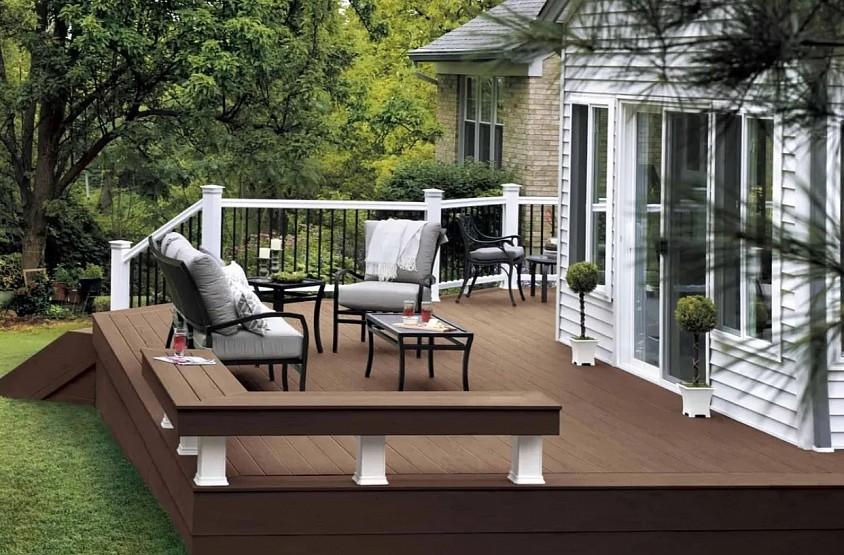
- Integrated bench seating that doubles as storage
- Privacy screens to block wind or neighboring views
- A shade solution such as a pergola or retractable canopy
- Built-in planters with liners to protect the structure
- A low-maintenance skirting detail with ample ventilation
- Flush-mounted access panels for hose bibs and outlets
Maintenance Roadmap
Every deck benefits from a simple routine. Sweep debris regularly, rinse grime, and keep planters lifted on feet to promote air flow. Inspect hardware, rail posts, and stair connections each spring. Re-seal natural wood as needed, and follow composite or PVC manufacturer care guides—avoid harsh solvents and abrasive pads. A scheduled check-up protects your investment and extends the life of finishes and fasteners.
Member Spotlight
Kingdom Builders Co.
6121 SW 22nd Park, Topeka, KS, 66614
785-329-4551
https://kingdombuildsks.co/
remodeler topeka
