Smart Trends Shaping Modern Concrete Workflows and Results
Concrete Industry Focus
The concrete industry continues to evolve as designers, builders, and property owners look for stronger performance, cleaner job sites, and better long-term value. From smarter mix design to streamlined project management, teams are rethinking every step—from subgrade prep to sealing—so projects last longer and look better. While fundamentals still matter most, incremental upgrades across tools, materials, and methods are producing outsized gains in durability, efficiency, and curb appeal.
Subgrade and Formwork Essentials
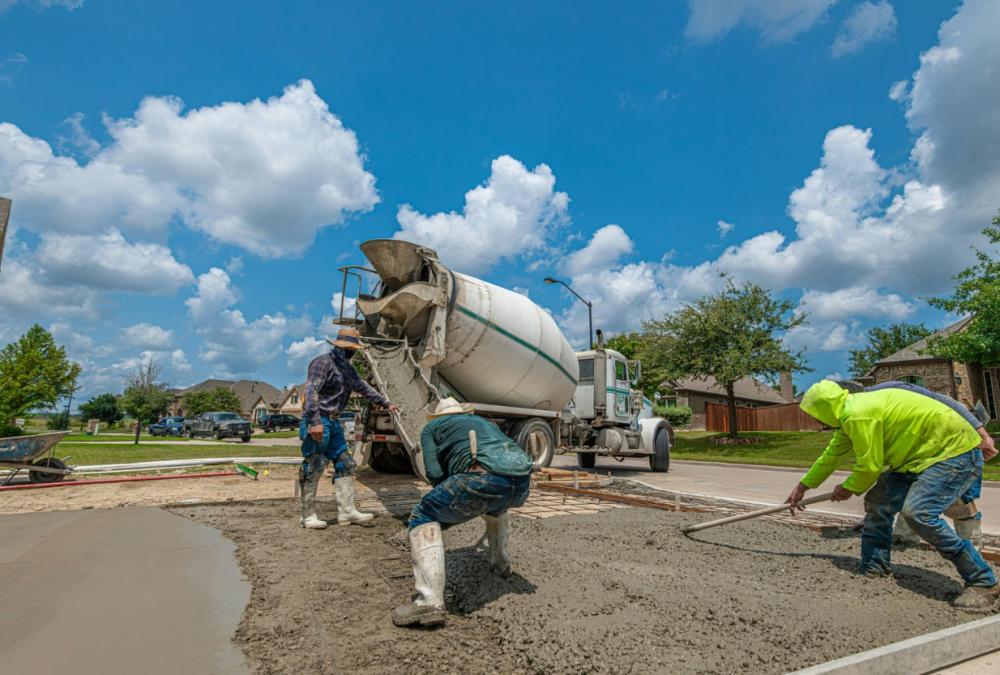
Every successful placement starts long before the first truck arrives. Proper soil evaluation, drainage planning, and compaction help prevent settlement and surface distress. Crews are also refining formwork strategies, using engineered stakes and bracing to maintain alignment under pressure. Attention to control-joint placement—guided by slab geometry and thickness—limits random cracking and streamlines later maintenance. Careful setup pays dividends in finishing speed and finish quality.
Mix Design and Placement Practices
Concrete performance hinges on proportioning, temperature control, and timing. Supplementary cementitious materials can fine-tune workability while supporting long-term strength development. Fiber reinforcement helps manage plastic shrinkage and enhances toughness in high-traffic areas. On site, crews monitor slump and ambient conditions to coordinate placement, consolidation, and finishing. A thoughtful approach to curing—via membranes, blankets, or timed water application—locks in moisture for consistent hydration and surface integrity.
Finishing Techniques That Last
Finishing is where appearance meets performance. Troweling windows must match slab conditions to avoid burnishing or trapping bleed water. For exterior slabs, a broom finish offers reliable traction, while advanced textures and integral color bring custom character to patios and entryways. Saw-cut joints require accurate timing to reduce raveling, and edge tooling improves chip resistance along borders. Sealer selection should match use case—breathable products help manage moisture migration, while film-forming options boost stain resistance in low-traffic areas.
Sustainability and Waste Reduction
Material efficiency and job-site cleanliness are increasingly prioritized. Crews plan pours to minimize leftovers, use washout systems that protect stormwater, and consider recycled aggregates where suitable. Smart logistics reduce idle time for ready-mix trucks, and temperature monitoring helps avoid rework. When possible, repurposing forms and optimizing placement sequences lowers both costs and environmental impact. These practices add up to cleaner sites and more predictable results.
Project Planning Roadmap
-
Site Assessment: Evaluate drainage paths, soil stability, and access for delivery equipment; correct issues early to prevent slab movement and water intrusion.
-
Mix Coordination: Align mix properties with application—traffic load, exposure, and finish type—while planning for temperature, set time, and consolidation needs.
-
Formwork and Reinforcement: Confirm elevations, slopes, and joint layout; position reinforcement or fibers to match design intent and crack-control goals.
-
Placement Strategy: Stage tools, crew, and finishing gear; manage pour breaks to preserve finish uniformity and joint continuity.
-
Curing and Protection: Apply curing methods matched to weather and schedule; shield new slabs from foot and vehicle traffic, deicers, and standing water.
-
Sealing and Maintenance: Choose sealers for the environment and desired sheen; set a routine for cleaning, resealing, and joint inspection to extend service life.
Safety and Weather Readiness
Job-site safety underpins consistent quality. Crews manage slip hazards, ensure proper PPE, and clear work zones for equipment movement. Weather plans cover hot, cold, and windy conditions, with measures like windbreaks, sunshades, or heated enclosures. Scheduling around temperature swings helps stabilize set times and surface appearance. Clear communication keeps everyone prepared for changing conditions and protects fresh placements from damage.
Enhancing Curb Appeal
Property owners value surfaces that look sharp and stay that way. Thoughtful edging, uniform texture, and clean joint lines elevate even simple slabs. Planting beds and drainage swales can be integrated without undermining slab support. When design calls for elevated style, integral color or subtle texture patterns add personality while maintaining durability. Regular cleaning and resealing maintain sheen and help surfaces resist staining and UV exposure.
Highlighted Focus: concrete contractors
Experienced concrete contractors coordinate details across layout, materials, and timing, turning plans into reliable, good-looking surfaces. With clear scopes, realistic timelines, and open communication, projects proceed smoothly and finish strong.
Smart Moves in Modern Concrete: Practical Insights for Long-Lasting Results
Concrete Industry Outlook: What Property Owners Should Know
The CONCRETE industry continues to evolve with better materials, smarter construction methods, and elevated expectations from homeowners and facility managers alike. Today’s projects emphasize durability, curb appeal, and lifecycle performance. Whether you are planning a patio, a driveway, or a commercial slab, understanding current practices can help you make decisions that stand up to time and weather.
Sustainability and Mix Design Trends
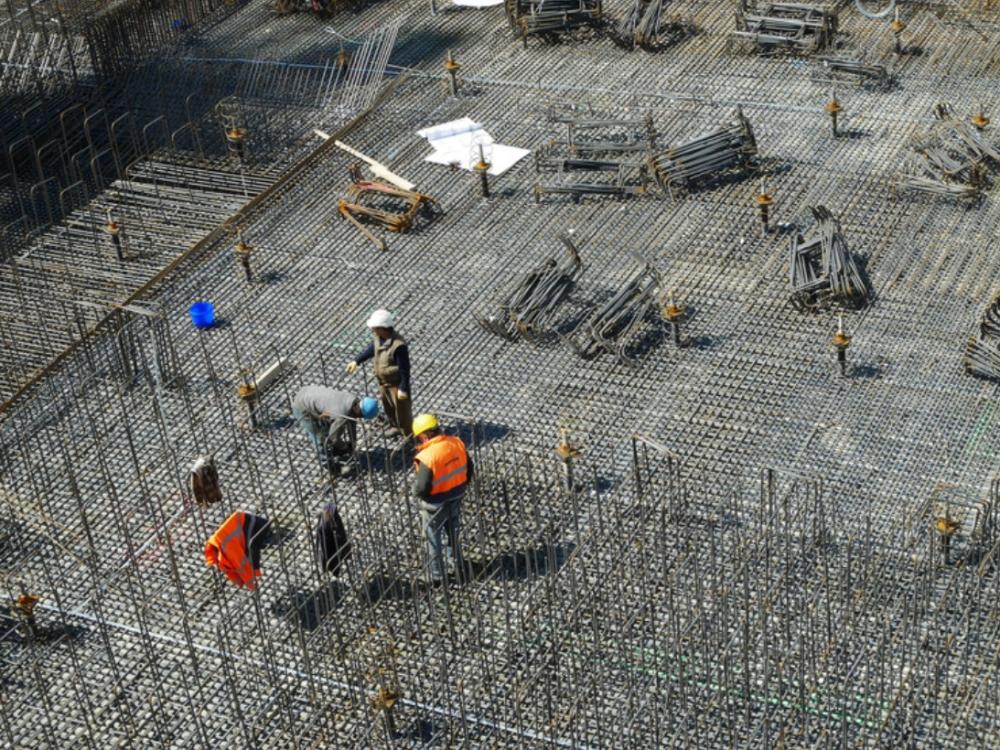
Advances in mix design are reshaping how CONCRETE is specified for both residential and commercial jobs. Contractors are adopting admixtures that support strength gain and workability while aiming to reduce waste and rework. Proper air entrainment, well-graded aggregates, and controlled water-to-cement ratios can reduce cracking risks and enhance freeze-thaw resistance. In many regions, cool-toned finishes and reflective surfaces are gaining attention for helping manage heat around driveways and outdoor living areas.
Residential Applications That Add Value
Homeowners are turning to CONCRETE for features that combine function and style. Stamped and stained finishes offer the look of stone or pavers without high maintenance. Thoughtful joint placement, consistent base preparation, and correct curing practices are key to achieving a clean, uniform appearance. For outdoor areas, slip-resistant textures can boost safety without sacrificing visual appeal. Good drainage planning prevents standing water that can undermine subgrades over time.
Commercial and Infrastructure Priorities
In commercial settings, performance demands are high. Slabs must support regular traffic, shelving loads, and equipment movement. That means subbase compaction, reinforcement strategy, and curing controls cannot be afterthoughts. Scheduling pours during favorable weather windows, planning for saw cuts, and using protective sealers where chemicals are present can extend service life. For exterior flatwork, attention to slope and drainage safeguards entrances and walkways against pooling and surface degradation.
Key Considerations When Planning a Project
Every successful project begins with a well-defined scope and clear communication. Before any pour, align expectations on finishes, timelines, and maintenance. Here are core planning points to guide you:
-
Define the use case clearly: traffic type, exposure to weather, and desired finish determine mix, thickness, and reinforcement.
-
Prepare the site properly: stable subgrade and compacted base material reduce settlement and slab movement.
-
Specify joints and reinforcement: well-placed control joints and appropriate reinforcement help manage cracking.
-
Manage curing and protection: moisture retention and temperature control during cure increase strength and durability.
-
Plan water management: slope, gutters, and drains keep water from undermining slabs and structures.
-
Choose protective treatments wisely: sealers, densifiers, or coatings can improve stain resistance and ease of cleaning.
-
Schedule inspections: checkpoints at base, formwork, reinforcement, and post-pour stages keep quality on track.
Maintenance and Longevity Essentials
Long-term performance depends on care. Regular cleaning, periodic sealing, and timely crack repairs protect appearance and structure. Avoid deicing chemicals that can stress surfaces, especially during freeze-thaw cycles. Placing mats under heavy equipment, managing irrigation overspray, and keeping expansion joints clear of debris help prevent premature deterioration. When stains occur, use cleaners compatible with the specific finish to avoid discoloration.
Design and Finish Options That Work
Finishes do more than look good; they influence traction, heat absorption, and maintenance requirements. Broom finishes offer dependable grip for driveways and walkways. Exposed aggregate adds texture and visual depth, while polished interior slabs provide low-maintenance shine in garages or shops. For decorative areas, integral color combined with a light texture can deliver a refined, cohesive look that complements exterior siding, landscaping, and lighting.
Partnering for Project Success
Good outcomes come from collaboration. Clear drawings, material submittals, and agreed-upon timelines help crews coordinate deliveries, placement, and finishing. Weather monitoring avoids rushed work, and mockups can align expectations for texture and color. When the plan addresses these details, CONCRETE installations are more likely to perform as intended, offering a solid blend of strength, style, and long-term value for both homes and businesses.
