Coastal Comfort Insights: Practical Guidance for Cooling System Reliability
1. Understand coastal climate stress
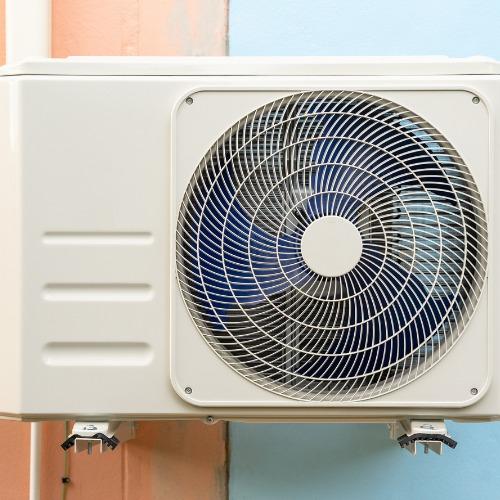
Living near the coast brings humidity, heat, and salt-laden air that can accelerate wear on outdoor condensers and exposed components. Corrosion can compromise fins, coils, and fasteners, while high humidity pushes systems to run longer cycles. Recognizing these environmental pressures helps explain why timely inspections and prompt attention to unusual noises, weak airflow, or short cycling matter. A system that’s tuned for local conditions delivers steadier comfort and avoids snowballing issues that become harder and more expensive to correct later.
2. Prioritize proper sizing and airflow
Whether you’re planning maintenance, a replacement, or updates to ductwork, correct system sizing is fundamental. Oversized equipment short cycles, causing uneven temperatures and higher humidity indoors; undersized equipment strains to keep up, running constantly yet still leaving rooms sticky and warm. Balanced duct design, sealed connections, and clean filters support the right static pressure and airflow across the evaporator coil. The result is more consistent cooling, improved dehumidification, and reduced stress on compressors and fans.
3. Protect efficiency with preventive care
Routine cleaning and inspection are the foundation of efficient performance. Dirt on condenser coils insulates heat rather than releasing it, while clogged filters starve the system of air, elevating operating temperatures and energy use. Clearing debris from the outdoor unit, confirming correct refrigerant charge, tightening electrical connections, and checking the condensate drain keep the system stable through peak season. Consistent care also preserves manufacturer warranties and extends equipment life by catching small issues early.
4. Weigh repair versus replacement thoughtfully
Deciding whether to repair or replace involves age, reliability, and comfort goals. If the system needs frequent fixes, struggles to control humidity, or uses older technology that inflates energy bills, a carefully planned upgrade may deliver better long-term value than another stopgap repair. Modern equipment often offers quieter operation, improved moisture control, and compatibility with advanced controls. When replacement makes sense, thoughtful planning supports a smooth transition and fewer surprises during the hottest weeks.
5. Elevate comfort with smart controls and zoning
Smart thermostats fine-tune temperature schedules to your daily routine and can help reduce unnecessary runtime during cooler mornings or when the home is unoccupied. Paired with zoning, targeted control directs cooling to the rooms that need it most, relieving pressure on the system and addressing comfort disparities between floors. When properly set up, these tools enhance dehumidification, maintain steadier temperatures, and contribute to measured energy savings without sacrificing comfort.
6. Don’t overlook indoor humidity and ventilation
In humid coastal environments, cooling and dehumidification work hand in hand. Excess moisture invites musty odors and discomfort even when the thermostat reads the target temperature. Ensuring sufficient airflow across the coil, verifying condensate drainage, and addressing duct leakage help the system remove moisture more effectively. Where appropriate, balanced ventilation strategies can further improve indoor air quality, dilute indoor pollutants, and support a fresher, more comfortable living space.
7. Consider timing and planning for upgrades
High season can be hectic, so planning ahead is wise. If your unit is nearing the end of its useful life or showing signs of diminished performance, discussing options before summer heat peaks can reduce downtime and give you more choices. In markets where coastal conditions are a factor, local expertise matters when assessing corrosion-resistant materials, protective coatings, and installation details tailored to salt air exposure. When it’s time, coordinating assessments, permits, and scheduling early streamlines the process of **air conditioning installation charleston** homeowners rely on.
8. Strengthen long-term reliability with small habits
A few simple habits go a long way: change filters on schedule, keep vegetation at least a couple of feet from the outdoor unit for proper airflow, and listen for new or persistent sounds. Note any rooms that consistently feel warmer or more humid; discrepancies often reveal duct leakage, blocked vents, or airflow imbalances that a technician can correct. Documenting symptoms and service visits creates a helpful timeline for diagnosing recurring issues quickly.
9. Build a maintenance rhythm that fits your home
Every home has unique load patterns based on insulation, sun exposure, occupancy, and window orientation. Setting a maintenance rhythm that reflects those realities—often with pre-season checks—supports stable performance during the muggiest days. Over time, a clear plan minimizes surprise breakdowns, stabilizes indoor comfort, and keeps cooling costs more predictable, turning your system into a dependable partner against coastal heat and humidity.
Keeping Cool and Confident: What to Know Before Scheduling ac repair charleston
A dependable air conditioning system is essential when hot, humid weather settles in and indoor comfort is on the line. Understanding how cooling equipment works, what common issues look like, and when to call for professional help can save time, stress, and money. Whether you’re troubleshooting uneven temperatures or strange system noises, these practical insights will help you navigate maintenance and repair decisions with clarity, including when to consider **ac repair charleston** for timely, local support.
1. Recognize the early warning signs
Catching minor issues early can prevent bigger headaches. Warm air from vents, short cycling, rising energy bills, or hotspots in certain rooms often point to airflow restrictions, low refrigerant, or thermostat problems. Unusual noises—rattling, buzzing, or grinding—signal loose parts or motor concerns. A musty smell can indicate moisture buildup in the drain line or pan. When signs persist despite filter changes and basic checks, it’s time to schedule a thorough inspection.
2. Start with simple at-home checks
Before calling a technician, confirm the thermostat is set to cool and the fan is on auto. Replace or clean the air filter; a clogged filter restricts airflow and strains components. Remove debris around the outdoor unit to improve heat exchange. Check supply and return vents for obstructions. If ice has formed on the indoor coil or refrigerant lines, turn the system off and let it thaw to avoid further damage. These steps won’t fix every issue, but they can restore airflow and give your system a fair chance to perform.
3. Understand the value of accurate diagnostics
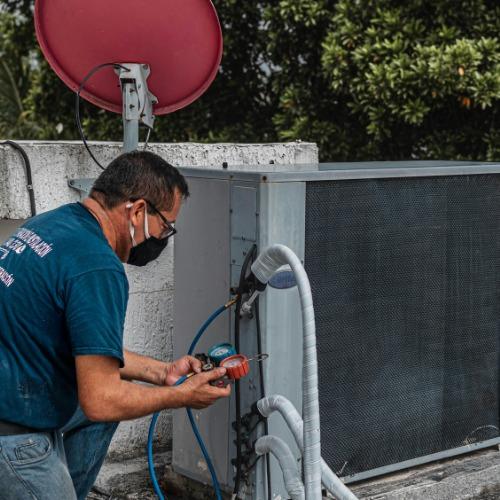
Air conditioners are complex systems where a single symptom may have multiple causes. A competent technician uses gauges, electrical testing, and temperature readings to pinpoint the problem rather than guessing. Proper diagnostics protect your investment by ensuring that only the necessary components are repaired or replaced. If your unit frequently trips breakers, struggles to start, or shows inconsistent cooling, professional assessment becomes especially important.
4. Prioritize airflow and duct performance
Even a perfectly functioning unit can underperform if ducts leak or are improperly sized. Leaky or poorly insulated ducts reduce cooling capacity and can cause rooms to feel stuffy or unevenly conditioned. Sealing connections, correcting kinks, and ensuring adequate return air pathways can dramatically improve comfort. A balanced duct system reduces strain on the equipment, helping extend service life and improve efficiency.
5. Focus on moisture control in humid climates
High humidity intensifies discomfort, encourages microbial growth, and can make a home feel warmer than the thermostat reading. When an air conditioner is oversized, it may cool quickly but fail to remove moisture effectively. Technicians can evaluate system sizing, refrigerant charge, blower speed, and coil cleanliness—factors that influence dehumidification. In persistently humid conditions, professional tune-ups help your system manage both temperature and moisture for healthier indoor air.
6. Know when repair makes sense
Age, condition, and performance guide the repair-or-replace decision. If the system is generally reliable and the issue involves a single part—like a capacitor, contactor, or fan motor—repair is often a sensible choice. When recurring breakdowns, reduced efficiency, or major component failures occur, a comprehensive evaluation is wise. Transparent recommendations, clear labor and parts explanations, and written summaries of findings help you make a confident decision, especially when considering regional service options such as ac repair charleston.
7. Build a preventive maintenance routine
Consistent upkeep supports dependable cooling. Replace filters on schedule, keep the outdoor coil clean, and ensure proper drainage to prevent water damage. Seasonal professional maintenance typically includes coil inspection, electrical tightening, refrigerant evaluation, and airflow checks. This routine reduces unexpected outages during peak heat, stabilizes energy use, and helps catch small issues before they escalate.
A comfortable home relies on a well-maintained AC system and informed decisions. By recognizing early warning signs, confirming simple fixes, and relying on precise diagnostics, you can protect both comfort and budget. Attention to airflow, moisture management, and routine maintenance rounds out a practical plan. When the situation calls for local, timely help, scheduling ac repair charleston ensures your system gets the focused attention it needs to keep you cool and confident all season long.
Coastal Home Comfort: HVAC, Plumbing, and Electrical Insights for Lowcountry Homes
Why Coastal Climate Demands Proactive Cooling
Along the South Carolina coast, high humidity, salt-laden air, and long cooling seasons test residential systems every day. Air conditioners work harder to wring moisture from indoor air, while outdoor units contend with corrosion. That’s why timely maintenance and quick response for ac repair charleston homeowners rely on can prevent small inefficiencies from becoming costly breakdowns at the peak of summer. A proactive approach starts with regular inspections, clean filters, and coils cleared of debris to maintain airflow and protect compressors.
Smart AC Choices for Humid Summers
Selecting the right cooling solution is about more than tonnage. Efficient heat pumps and variable-speed systems can modulate output to handle shifting loads, providing steady comfort and better dehumidification. Proper AC Installation must be paired with precise sizing, sealed refrigerant lines, and calibrated airflow to meet local code and performance targets. Beyond the equipment, AC Maintenance keeps systems tuned: checking thermostat settings, verifying electrical connections, and confirming correct refrigerant charge all contribute to lower utility bills and improved longevity.
Heating That Fits Mild Winters
Lowcountry winters are generally mild, but chilly nights still demand reliable, responsive heat. Heat pumps shine here, offering efficient Heating Repair solutions when service is needed and smooth switchover between heating and cooling modes. Regular attention to defrost cycles, backup heat strips, and outdoor fan operation helps maintain comfort without energy waste. If a furnace is part of a dual-fuel setup, ensure burner assemblies are cleaned and safety controls tested before the first cold snap.
Healthy Air and Efficient Ductwork
Comfort depends on the delivery system as much as the equipment. Ductwork that leaks, sags, or runs through unconditioned spaces can squander cooled or heated air before it reaches living areas. A professional inspection can identify pressure imbalances, poor insulation, or blocked returns that cause hot and cold spots. Seal joints, add insulation where needed, and balance registers to optimize airflow. Pair those improvements with upgraded filtration to reduce dust, pollen, and coastal allergens that thrive in humid conditions.
Plumbing and Power: The Other Half of Comfort
Steady hot water and dependable electricity round out a safe, comfortable home. Water Heater Repair helps preserve tank integrity, address sediment buildup, and restore consistent temperature delivery. On the power side, qualified Electrical work supports modern lifestyles packed with sensitive electronics. Surge protection, panel evaluations, and safe Lighting additions help safeguard appliances and enhance daily living. Coordinating these trades with HVAC service ensures systems don’t work at cross purposes—for example, choosing LED lighting that reduces heat load and complements efficient cooling.
Simple Habits That Pay Off
A few small practices make a big difference between visits:
- Replace or clean HVAC filters on schedule to protect airflow
- Keep vegetation trimmed back from outdoor condensers
- Run bathroom and kitchen exhaust fans to control indoor humidity
- Flush a few gallons from tank-style water heaters to reduce sediment
- Test GFCI and AFCI outlets monthly for safety
- Use programmable thermostats to avoid excessive cycling
Preparing for Peak Season
Before summer ramps up, schedule a comprehensive tune-up that covers AC Repair checks, thermostat calibration, condensate drain inspection, and duct leakage assessment. In the shoulder seasons, take care of Drain Cleaning, lighting upgrades, and any Electrical work to minimize disruptions when temperatures soar. A readiness mindset—paired with qualified service for AC Maintenance, Ductwork improvements, Heat Pumps, Heating Repair, Water Heater Repair, and Lighting—keeps Lowcountry homes comfortable, efficient, and resilient year-round.
Seasonal Home Comfort in Charleston: Smart Strategies for HVAC, Plumbing, and Electrical Care
Main Heading: Navigating Year-Round Comfort in the Lowcountry
Charleston’s heat, humidity, and coastal conditions make reliable indoor systems essential. From cooling and heating to safe wiring and clear drains, a holistic approach keeps homes running smoothly and efficiently. Choosing experienced local pros, planning ahead, and understanding the basics of AC Installation, AC Repair, and AC Maintenance will help you enjoy dependable comfort in every season.
Subheading: Working with an hvac contractor charleston Homeowners Trust
A seasoned hvac contractor charleston understands coastal weather patterns and building styles, from historic homes to newer construction. Local expertise matters for proper sizing, airflow balancing, and strategies that reduce moisture and salt-air wear. Clear communication is key: look for detailed estimates, transparent scheduling, and guidance on ductwork, heat pumps, and routine maintenance that fits your home’s needs.
Subheading: air conditioning installation charleston: Getting Sizing and Airflow Right
Efficient cooling begins long before the thermostat clicks on. Proper air conditioning installation charleston involves calculating load requirements, selecting the right equipment type, and ensuring ductwork is sealed and correctly routed. Poor airflow can undermine even high-end systems, so pros test static pressure, verify return paths, and optimize registers. When done right, you’ll feel even temperatures, quieter operation, and better humidity control through the long summer stretch.
Subheading: Routine AC Maintenance and Ductwork Details
Preventive care keeps equipment reliable. Seasonal AC Maintenance includes cleaning coils, checking refrigerant levels, inspecting electrical connections, and calibrating controls. Don’t overlook ducts: small leaks waste energy and can invite dust and humidity into living spaces. Sealing and insulating ducts where appropriate helps stabilize comfort and can support the performance of heat pumps and traditional systems alike.
Subheading: charleston air conditioning repair with a Focus on Reliability
When the temperature soars, timely charleston air conditioning repair can make all the difference. Common issues include clogged drain lines, worn capacitors, dirty coils, and sensor problems. Skilled technicians diagnose methodically, explain options, and tackle root causes to prevent repeat breakdowns. After repairs, verify airflow and thermostat accuracy, and consider a maintenance plan to catch small concerns before they escalate.
Subheading: Plumbing, Heating Repair, and Electrical Work that Complements Your HVAC
Comfort goes beyond cool air. Heating Repair ensures dependable warmth during chilly snaps, while Water Heater Repair and Drain Cleaning protect everyday routines. On the electrical side, safe electrical work and well-planned lighting support system efficiency and overall home safety. Coordinating services—like verifying circuits for HVAC equipment or improving attic lighting for easier access—can streamline maintenance and reduce future hassles.
Subheading: Practical Steps to Keep Systems Running Smoothly
1) Replace air filters regularly to maintain airflow, reduce strain on the blower, and support cleaner indoor air.
2) Keep outdoor units clear of debris and vegetation so coils can release heat effectively.
3) Schedule professional AC Maintenance before peak season to address small issues and verify system health.
4) Inspect ductwork for leaks, kinks, or poor insulation that can undermine comfort and efficiency.
5) Use a programmable or smart thermostat to moderate energy use without sacrificing comfort.
6) Address unusual noises, short cycling, or water near the air handler promptly to prevent larger repairs.
7) Pair HVAC service with electrical work checkups and Drain Cleaning where needed to maintain a well-rounded, reliable home.
Subheading: Heat Pumps and Balanced Year-Round Performance
Heat pumps offer efficient cooling and heating in many Charleston homes. Proper setup includes verifying refrigerant charge, ensuring smooth defrost cycles, and confirming that backup heat sources are configured correctly. With correct sizing and maintenance, heat pumps can deliver stable comfort and support lower energy use compared to older, less efficient systems.
Subheading: Lighting and Comfort Go Hand in Hand
Thoughtful lighting enhances visibility for equipment access and makes routine tasks safer. Adequate attic and utility-room lighting aids inspections, while efficient fixtures can reduce heat load in living spaces. When combined with reliable HVAC service, smart lighting choices contribute to a comfortable, safe, and inviting home environment.
A comfortable Charleston home is the result of informed decisions, quality installation, attentive maintenance, and prompt repair. Whether you’re planning a new system, addressing a mid-summer breakdown, or coordinating complementary electrical and plumbing services, a proactive approach keeps comfort steady—no matter what the forecast brings.
Coastal Comfort Guide: Smart Strategies for HVAC, Plumbing, and Electrical Care
Keeping Lowcountry Homes Efficient Year-Round
Coastal living brings humidity, salt air, and sudden weather swings that test home systems. From cooling to wiring to drains, a proactive plan helps maintain comfort and safety while preventing disruptive breakdowns. In the heat of peak season, ac repair charleston becomes a priority for many households, but smart preparation throughout the year reduces stress and supports reliable performance across every system.
Cooling Season Priorities
When temperatures climb, a well-tuned air conditioner can make the difference between a breezy day and a sleepless night. AC Maintenance is the first line of defense: clean filters, calibrated thermostats, and cleared condensate lines keep airflow strong and prevent strain. If an older unit struggles, AC Installation with correctly sized equipment can improve comfort and efficiency. For sudden failures or noisy, short-cycling units, AC Repair addresses immediate issues before they cascade into larger problems. Regular attention also protects coils and helps manage humidity, a must along the coast.
Heat Pumps and Heating Reliability
Heat Pumps offer efficient cooling and dependable heating in shoulder seasons. Their ability to transfer heat rather than create it often provides steady comfort without dramatic energy spikes. Still, they need seasonal checkups to verify refrigerant levels, reversing valve function, and defrost cycles. When cold snaps hit, Heating Repair ensures safe operation, steady airflow, and proper ignition or electrical performance. Pairing a heat pump with a well-sealed envelope and accurate thermostat scheduling helps avoid overworking the system.
Ductwork: Airflow and Indoor Air Quality
Ductwork is the highway for conditioned air. Leaks, gaps, or crushed sections can waste energy and leave rooms uncomfortable. A thorough inspection identifies weak joints, loose insulation, and dust buildup that can degrade indoor air quality. Sealing ducts, balancing airflow, and verifying proper return sizing can reduce hot-and-cold spots. In coastal climates, controlling condensation on ducts also helps prevent moisture problems and protects structural materials from unnecessary dampness.
Electrical work and Lighting Safety
Dependable Electrical work underpins every comfort system, from HVAC controls to water heaters and sump pumps. Periodic checks of connections, breakers, and grounding support safe operation, especially during storm season. Upgrading Lighting to efficient, cool-running fixtures can reduce heat load and lighten the strain on cooling systems. In kitchens, baths, and outdoor spaces, appropriate fixtures and protected circuits add safety while enhancing usability. When equipment upgrades are planned, verifying circuit capacity and dedicated lines helps avoid nuisance trips and protects sensitive components.
Water Heater Repair and Drain Cleaning Essentials
Hot water reliability matters year-round. Water Heater Repair addresses issues like inconsistent temperature, discolored water, or unusual sounds that may signal sediment buildup or failing components. Pair that with Drain Cleaning to prevent backups that could damage finishes or invite moisture problems. In humid regions, proper venting and traps also deter odors and maintain a sanitary environment. Routine attention to these systems reduces emergencies and helps keep daily routines on track.
Pro Maintenance Checklist
1. Schedule seasonal AC Maintenance and heat pump tune-ups before peak weather arrives to catch wear early.
2. Inspect Ductwork for leaks, insulation gaps, and airflow restrictions; seal, insulate, and balance as needed.
3. Verify Electrical work readiness: test GFCI/AFCI devices where applicable, confirm grounding, and label breakers.
4. Evaluate Lighting for efficiency and heat output; select fixtures rated for damp or coastal environments.
5. Flush or service water heaters and plan Water Heater Repair promptly when performance shifts.
6. Book preventive Drain Cleaning for slow fixtures to reduce the risk of clogs during high-use periods.
7. Keep outdoor units clear of debris and salt spray, and rinse coils gently to protect fins and airflow.
Reliable comfort depends on timely care and informed decisions. Whether it’s tuning a cooling system, tightening electrical connections, or clearing a stubborn drain, consistent upkeep pays off in comfort and peace of mind. For households across the Lowcountry, planning ahead minimizes downtime and ensures that when summer heat rolls in, ac repair charleston is part of a broader strategy—not a last-minute scramble.
