Resilient Residential Roofing: Materials, Methods, and Maintenance That Go the Distance
Understanding Home Roofing Today
Residential roofing continues to evolve as homeowners balance curb appeal, longevity, and energy performance. From shingles that reflect summer heat to underlayments that manage winter moisture, each layer contributes to a system designed to protect the home and stabilize utility costs. Choosing the right materials and working with a qualified roofing contractor can make the difference between a roof that merely covers and a roof that performs for decades.
Popular Materials and Why They Matter
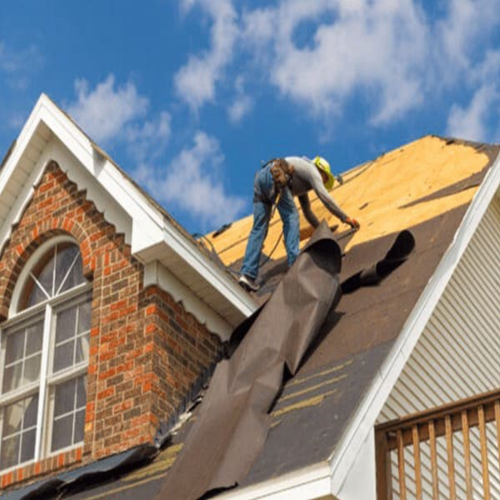
Asphalt shingles remain the most common choice for their value, wide color range, and proven weather resistance. Architectural shingles provide enhanced wind performance and dimensional style, while impact-rated options add a layer of defense against hail. Metal panels continue to gain traction on homes thanks to their durability, recyclability, and sleek design. For any roof installation, the product’s warranty, local climate suitability, and manufacturer specifications should guide selection.
The Hidden Heroes: Underlayment, Flashing, and Ventilation
A reliable roof depends on components you rarely see:
- Ice- and water-protective membranes at eaves, valleys, and penetrations
- Synthetic underlayment engineered for consistent coverage and tear resistance
- Properly detailed flashing around chimneys, skylights, and walls
- Balanced intake and exhaust ventilation to control heat and moisture
When these elements are integrated correctly, they reduce the risk of leaks, shingle deterioration, and attic mold—problems that often surface years after the initial work.
Weather Readiness Across the Seasons
In four-season regions, roofing has to handle temperature swings, heavy rain, snow, and high winds. Good practice starts with secure starter strips, correctly aligned courses, and fasteners driven to manufacturer depth requirements. Equally important is clean water management: open valleys sized for regional rainfall, gutters pitched for steady flow, and downspouts that move runoff away from foundations. Periodic inspections by experienced roofing contractors help catch loosened shingles, compromised sealant, or clogged gutters before minor issues grow.
Energy Efficiency and Indoor Comfort
A well-built roofing system supports energy performance. Cool-rated shingles can lower heat absorption, while continuous ridge vents paired with adequate soffit intake keep attics from becoming heat reservoirs. In winter, balanced ventilation and sufficient insulation help curb ice dams by maintaining a more consistent roof deck temperature. Homeowners aiming for efficiency should consider lighter shingle colors, radiant barriers where appropriate, and thorough air sealing at attic penetrations.
Working With the Right Partner
A reputable roofing company will discuss materials, installation practices, warranty terms, and local code requirements in plain language. They will document the scope of work, outline site protection and cleanup, and coordinate around weather windows to protect exposed areas. For homeowners comparing options, local references, proof of insurance, and manufacturer certifications are strong indicators of quality. While many people casually mention roofing near me when exploring options, a careful evaluation of craftsmanship, responsiveness, and product expertise is what truly earns confidence.
Maintenance That Extends Service Life
Even the best systems benefit from routine care. Seasonal checkups, debris removal from valleys and gutters, and prompt attention to lifted shingles or cracked pipe boots can prevent water intrusion. After severe weather, a quick visual review from the ground—backed by a professional assessment if anything looks off—helps maintain performance and warranty coverage. With thoughtful choices and consistent maintenance, residential roofing delivers protection, comfort, and value year after year.
The Residential Roofing Playbook for Long-Lasting Protection
A Practical Guide to Smarter Decisions and Stronger Homes
Understand Your Roof System
A durable roof is a system, not just shingles. Decking, underlayment, flashing, vents, and gutters work together to move water away and regulate attic temperatures. When these elements align, roofing lasts longer and resists wind-driven rain. Keep an eye on transitions around chimneys, skylights, and valleys—these areas are the most common sources of leaks. A trusted roofing contractor can evaluate how each component is performing and recommend targeted Roofing Services that prevent small concerns from becoming major repairs.
When to Call a Roofing Contractor
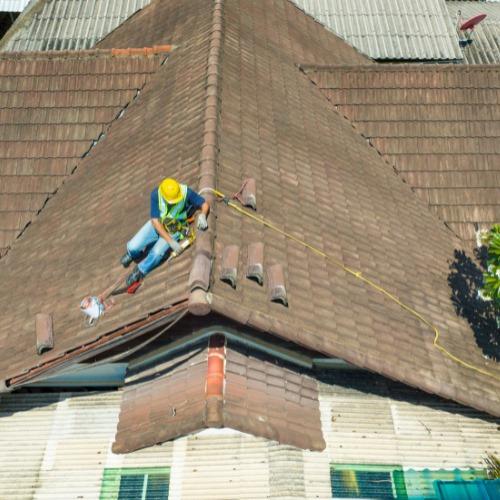
Routine visual checks from the ground can alert you to issues, but some warning signs call for prompt professional attention. If you notice any of the following, consider reaching out to experienced roofing contractors who can assess safely and thoroughly:
1) Granules washing into downspouts or accumulating at gutter ends.
2) Shingles that curl, crack, or appear loose after a wind event.
3) Discoloration on interior ceilings or damp insulation in the attic.
4) Rusted or lifted flashing around vents, dormers, or chimneys.
5) Persistent ice dams or hot/cold spots that suggest ventilation trouble.
6) Moss growth that holds moisture against the surface and accelerates wear.
Timely guidance from a reputable roofing company limits disruption and helps preserve the roof’s lifespan.
Material Choices and Roof Installation Basics
Material selection shapes appearance, performance, and maintenance. Asphalt shingles are widely chosen for balanced value and style variety. Metal panels offer strong weather resistance and a crisp profile. Each option performs best when roof installation follows manufacturer guidelines and local code. Proper fastener placement, underlayment selection, and ridge detailing matter as much as the material itself. Ask how crews protect landscaping, manage tear-off, and clean up. The right roofing contractor will explain staging, timelines, and how weather affects scheduling without rushing critical steps.
Ventilation, Insulation, and Moisture Control
Attic airflow is essential to reduce heat buildup and control condensation. Balanced intake and exhaust—often at soffits and ridge—work together to keep temperatures even. Paired with correct insulation depth and air sealing around light fixtures and bath fans, ventilation helps the roof dry out after storms and extends shingle life. If the attic smells musty or you see frost on nails in winter, consult roofing contractors who can evaluate baffles, vent sizing, and bathroom vent terminations. Thoughtful Roofing Services that address airflow protect both the roof and indoor comfort.
Warranties, Permits, and Peace of Mind
Paperwork is part of a strong project. Confirm permit requirements with your local authority and ask the roofing company how inspections are handled. Review product and workmanship coverage to understand what’s included and how to maintain eligibility. Keep dated photos, material labels, and invoices on file; they support future claims and resale conversations. If you’re comparing proposals, look beyond price alone—clarity on scope, site protection, and disposal often signals professionalism.
Finding Roofing Near Me That You Can Trust
Local experience matters. Crews familiar with regional weather patterns and building styles tend to spot issues faster and recommend practical solutions. Neighbors, real estate agents, and home inspectors can be helpful sources for referrals. When you explore roofing near me options online, look for consistent reviews that mention communication, cleanliness, and follow-through. Meet on-site, ask questions, and expect transparent explanations about materials, flashing details, and safety practices. A dependable roofing partner values education as much as installation quality.
Closing Thoughts
Strong roofing begins with understanding, continues with careful planning, and succeeds with skilled hands. Whether you’re weighing materials, scheduling an inspection, or planning a roof installation, prioritize craftsmanship, clear communication, and a system-focused approach. With the right roofing contractor and a commitment to preventive care, your home will stay dry, efficient, and attractive through every season.
Homeowner’s Guide to Smarter Roofing Choices This Year
Understanding Today’s Residential Roofing Landscape
Homeowners face a crowded marketplace with changing materials, evolving codes, and rising expectations for durability. The goal is straightforward: a dependable system that protects the home, looks good, and stands up to local weather. Whether planning a roof installation or evaluating repair options, informed decisions help maximize longevity and reduce long-term costs. Selecting the right materials and a qualified roofing contractor is just as important as the workmanship itself.

Materials and Longevity
Asphalt shingles remain common for their balance of value, style, and dependable wear. Metal options have grown in popularity due to sturdy construction and strong wind resistance. The best choice depends on architecture, climate, and maintenance preferences. Ask about shingle classes, underlayments, and how each layer interacts with flashing to channel water away from critical seams. A trustworthy roofing company should explain how materials, fasteners, and ventilation work together to protect decking and interior spaces from moisture intrusion.
Ventilation, Insulation, and Energy Performance
A roof is a system, not just a surface. Balanced attic ventilation moves heat and moisture out, helping prevent premature shingle aging, ice dams, and mildew. Proper insulation supports indoor comfort and may help stabilize utility usage by limiting heat transfer. During roof installation, details like ridge vents, soffit intake, and sealed penetrations make a noticeable difference over time. Ask your pro to assess airflow before recommending any upgrades so materials can perform as intended.
Hiring a Qualified Pro
The right partner brings clear communication, clean jobsite practices, and documented craftsmanship. While many people talk about finding roofing near me, focus on credentials and local reputation over proximity alone. Gather references and compare scopes in writing to ensure apples-to-apples evaluations.
1) Verify licensing, insurance, and any manufacturer affiliations that could extend warranty coverage.
2) Request a detailed, itemized proposal explaining materials, underlayments, flashing plans, and cleanup.
3) Confirm who handles permits and how code compliance will be documented.
4) Ask about crew supervision, daily communication, and what to expect if weather delays occur.
5) Review warranty terms for both materials and workmanship, including transferability.
6) Clarify payment schedule and how changes will be approved in writing.
Seasonal Maintenance Priorities
Routine care supports durability. After heavy storms, check for lifted shingles, missing fasteners, and dented accessories. Keep gutters and downspouts clear so water moves away from fascia and foundations. Trim branches that rub against surfaces and remove debris that can trap moisture. If you notice granule buildup in gutters or stains on attic sheathing, a prompt inspection from qualified roofing contractors can prevent small concerns from turning into costly repairs.
Warranty and Documentation Essentials
Good records protect homeowners. Keep copies of proposals, material specs, photographs, and warranty documents. Noting installation dates, ventilation upgrades, and any service calls creates a reliable maintenance history for future decisions or property disclosures. When choosing a roofing company, ask how they document progress and whether they provide completion photos to verify details like flashing and ridge vent placement.
Planning and Budgeting Tips
Set realistic expectations for project timing, especially during peak seasons. Weather windows influence scheduling and can shift start dates. Communicate any specific concerns—like landscaping protection or driveway access—so the crew can plan coverings, staging, and waste removal appropriately. A seasoned roofing contractor will explain how they safeguard siding, windows, and outdoor fixtures while work is underway.
The Bottom Line
Residential roofing succeeds when materials, design, and workmanship align. Balance aesthetics with performance, and weigh the long-term benefits of proper ventilation and flashing against shortcuts that risk future leaks. By prioritizing clear proposals, verified credentials, and thoughtful maintenance, homeowners set the stage for a dependable system. When evaluating options—whether meeting with local roofing contractors or exploring reputable roofing services—use a consistent checklist and choose a partner who communicates openly. That combination leads to a roof installation that looks sharp, resists the elements, and supports the home for years to come.
