Notable Places to Seek Out Around Ann Arbor, Michigan 48108
Natural Retreats: Quiet Woods, Open Meadows, and Restorative Trails
Sheltered pockets of woodland and prairie edge much of the southern and eastern arcs of the city, offering a reprieve from urban bustle. Meandering footpaths, bird-friendly wetlands, and gentle boardwalks reveal a living mosaic of oak stands, cattail marshes, and pollinator meadows.
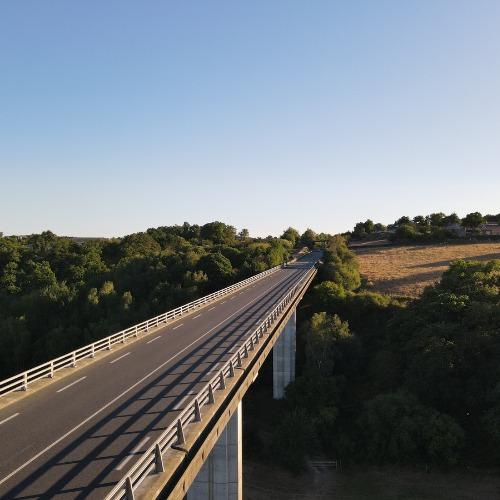
The light changes here by the minute—dawn hush, late-afternoon glow, and dusk murmurs all feel distinct:
-
County Farm Park: Stroll broad meadows, tree-lined paths, and community garden plots that hum with seasonal color.
-
Lillie Park: Loop tranquil lakes and cattail edges, watching herons trace quiet arcs above the water.
-
Mary Beth Doyle Park: Explore wetlands and prairie restorations with interpretive paths that feel intimate and contemplative.
-
Saginaw Forest: A teaching forest with rustic trails that skirt a small lake, ideal for a contemplative ramble.
-
Scio Woods Preserve: Soft, pine-scented trails weave through a gentle woodland, calm even on breezy days.
Underfoot, the terrain alternates between loam and gravelly segments, and after rain, the air carries that earthy petrichor that signals regeneration. These parks are less about spectacle and more about cadence—inviting a slower stride and a mindful gaze.
Riverfront Corridors: Water, Willow, and Motion
The Huron River knits together neighborhoods with a fluid thread of recreation. Watch the water curl around stones, listen to willow fronds shiver, and trace the river’s sinuous course by bike or on foot. Launch points, shore paths, and side meadows provide numerous access points:
-
Gallup Park: An elegant sweep of riverfront with tranquil inlets, long footbridges, and wide views that change with the clouds.
-
Island Park: A leafy islet connected by slender bridges, perfect for a riverside picnic or a lazy midweek amble.
-
Fuller Park: Open lawns, shaded nooks, and easy river access close to campus energy yet pleasantly removed.
-
Argo Nature Area: Gravel paths and riparian edges draw walkers, while flowing channels offer a sense of kinetic calm.
Cyclists can parallel the river along connective paths, moving from shaded bowers to sunlit overlooks in minutes. The corridor’s character shifts subtly—some stretches whisper, others hum—yet all share the river’s steady pulse.
Campus Icons and Cultural Corridors
Even when focusing south of the central grid, it is hard to resist the gravitational pull of campus arts and architecture. Stone arcades, green quads, and intimate museums anchor a cultural itinerary minutes from quieter neighborhoods to the south:
-
University of Michigan Museum of Art: Rotating exhibitions and a permanent collection curated with thought-provoking juxtapositions.
-
Kelsey Museum of Archaeology: An evocative window into distant civilizations, presented with clarity and care.
-
The Diag: A verdant crossroads framed by collegiate Gothic and modernist lines, buzzing with energy at nearly any hour.
-
The Law Quadrangle: Gothic courtyards and cloisters that feel lifted from an old-world scholastic dream.
-
Hill Auditorium: A revered performance space known for its acoustical finesse and serene grandeur.
Wander these spaces as if following a breadcrumb trail of design details—carved stone, polished wood, verdigris copper—and let the interplay of art and architecture recalibrate your sense of place.
Historic Traces and Heritage Enclaves
Beyond marquee institutions, the area shelters modest yet resonant waypoints that track the region’s evolution. Timber-era mills, early farmsteads, and civic greens linger within easy driving distance, each site holding a chapter of local lore:
-
Parker Mill County Park: A preserved mill setting where wooded trails meet a historic landscape shaped by water and workmanship.
-
Cobblestone Farm: A nineteenth-century homestead interpreting agrarian life with heirloom plantings and period structures.
-
Kerrytown District: Brick-lined streets, specialty markets, and a convivial ambiance that nods to mercantile roots.
-
Michigan Theater: A lovingly maintained movie palace showcasing film, music, and the golden-age charm of a grand marquee.
Look for the small markers—old fieldstone foundations, millraces traced in earth, and timeworn brickwork—that translate history into tactile, walkable memory.
Family-Friendly Outings and Hands-On Discovery
Around this southern quadrant, families find parks, rinks, and interactive spaces that turn a free afternoon into a micro-adventure. The emphasis is on movement, curiosity, and play:
-
Buhr Park: Seasonal recreation, shaded lawns, and a neighborhood feel that invites repeat visits.
-
County Farm Park Play Areas: Sprawling play structures beside prairie fringes, where kids can run wild and then cool down in the shade.
-
Leslie Science & Nature Center: Live-animal ambassadors, trails, and programs that make ecology immediate and tangible.
-
Ann Arbor Hands-On Museum: A short hop north, with inventive exhibits that spark inquiry and wide-eyed grins.
Make a day of it by pairing a short trail walk with a museum visit and a relaxed picnic on soft grass. The balance of indoor curiosity and outdoor movement keeps energy buoyant and tempers even the most restless moods.
Artisanal Corners and Neighborhood Strolls
Side streets and micro-districts provide a slower, more personal cadence. Window-shop, people-watch, and chase the aroma of roasted coffee drifting along shady blocks:
-
Kerrytown and the Ann Arbor Farmers Market: Produce stalls, handcrafted goods, and neighborhood charm coalesce into a lively scene.
-
State Street and Liberty Street: Theater marquees, bookshops, and a collage of storefronts lend cinematic character to an evening wander.
-
Old West Side: Tree-canopied streets, porches with personality, and the steady rhythm of a historic neighborhood.
Pause on a bench, study a cornice or a vintage sign, and feel the layered texture of a city that prizes both originality and warmth.
Day Trips and Green Escapes Beyond the Edge
Within a short radius lie extensive preserves and recreation areas that amplify the region’s outdoorsy spirit. Trail networks, kettle lakes, and glacially carved uplands lure hikers and paddlers seeking a deeper exhale:
-
Pinckney Recreation Area: Forested loops, quiet lakes, and a rewarding sense of remoteness just beyond town.
-
Waterloo Recreation Area: Vast woodlands, sandy soils, and trails that stretch into serene, bird-rich backcountry.
-
Hudson Mills and Delhi Metroparks: River-hugging paths with sylvan overlooks and occasional meadows perfect for a rest.
These landscapes feel expansive yet approachable, offering a wilder counterpoint to in-town tranquility. Pack layers, carry water, and let the rhythm of your steps set the itinerary.
Seasonal Rhythms and Practical Wayfinding
This southern Ann Arbor sector wears the seasons with panache. Spring uncurls wildflowers along damp edges. Summer animates river corridors with cheerful bustle. Autumn burnishes canopy and prairie alike. Winter hushes trails, turning familiar paths into minimalist studies of line and shadow.
-
Start Early: Set off early to enjoy gentle light and calmer paths.
-
Balance Your Day: Pair parks and cultural sites to keep your itinerary engaging.
-
Mind Trail Etiquette: Leave no trace for those who follow.
-
Stay Oriented: Check maps at trailheads and carry a backup screenshot for weak-signal pockets.
Whether chasing a golden-hour photograph on a riverside bridge or seeking a quiet bench in a prairie’s lee, the area around Ann Arbor, Michigan 48108 rewards curiosity with a gratifying blend of nature, history, and human-made beauty.
Hidden Corners and Essential Picks Around Ann Arbor, Michigan 48108
Gateway Greens: Parks That Anchor the South Side
Green space is the soul of this part of town, and it shows in the breadth of landscapes spanning quiet ponds, prairie-like meadows, and shaded trails. Lillie Park, straddling the margins of 48108, forms a tranquil triad of paths, wetlands, and open lawns where migratory birds settle and dusk softens the shoreline. Nearby, Mary Beth Doyle Park extends an intricate lattice of boardwalks and creekside paths, ideal for reflective strolls and family rambles.
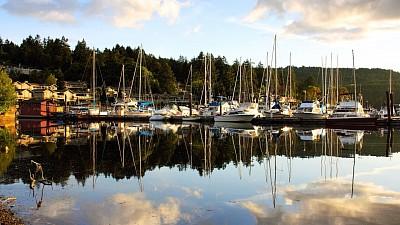
County Farm Park, with its network of loops weaving through orchards and broadleaf stands, attracts joggers at sunrise and picnickers by late afternoon. The combination of these parks has a cumulative effect: serenity layered with gentle activity, a daily rhythm that encourages both solitude and belonging. If time is tight, pick one based on mood—water vistas at Lillie, wooded respite at County Farm, or the open-air dynamism of Mary Beth Doyle. Each offers a different cadence of calm.
Historic Threads: Where Yesterday’s Ann Arbor Still Speaks
Heritage survives here not as a relic, but as a living texture. Cobblestone Farm Museum, just beyond the steady thrum of neighborhood streets, preserves vernacular architecture and pastoral ambiance. Its grounds invite unhurried perambulation, revealing period plantings and fieldstone craftsmanship. Close by, Parker Mill County Park pairs a vintage gristmill site with riparian scenery. Wooden bridges and water-chatter lend an old-world hush, particularly in late afternoon when sun glints off the river corridor.
For a broader historical arc, the University of Michigan’s Kelsey Museum of Archaeology and the University of Michigan Museum of Art, a short drive north, open lenses on far-flung civilizations and contemporary aesthetics, respectively. Balance the itinerary by interleaving small-scale, place-based history with curated collections that broaden context. The result feels layered, not rushed—like reading a city through its footnotes and its headlines.
Waterways and Willow-Shaded Paths
Ann Arbor’s liquid geography draws people into motion. Gallup Park, arcing along the river with graceful bends, is a perennial favorite for sunrise walkers and evening cyclists. Argo Cascades to the northwest adds a lively counterpoint as water tumbles through engineered channels, animating the river soundscape.
Closer to 48108, Buhr Park ties aquatic activity to open fields and shaded corners, creating a neighborhood-scale aquatic and green complex that feels personal and welcoming. For a more pastoral ribbon of water, Nichols Arboretum’s riverbank paths provide an almost sylvan interlude, where songbirds carry the air and understory plants shift with the seasons. Choose the route that matches your tempo—steady and contemplative at the Arb, brisk and communal at Gallup, or familiarly neighborhood-centric at Buhr. The city’s hydrology becomes a guide, sketching itineraries in ripples and reflections.
Artful Interludes and Cultural Texture
The cultural itinerary rewards curiosity. Kerrytown’s brick-lined blocks frame galleries, specialty shops, and the storied farmers market, where the cadence of local makers and seasonal produce creates an ever-changing tableau. The State Theatre and the Michigan Theater downtown, with their luminous marquees and curated film slates, nurture cinephiles and casual viewers alike.
For hands-on discovery, the Ann Arbor Hands-On Museum fosters exploratory play and tinkering, while the Leslie Science & Nature Center offers raptor enclosures and interpretive trails that delight learners across ages. Each venue highlights a different register of creativity—cinema’s glow, market-day bustle, or experiential science. String them together for an all-day cultural ramble or drop in for a focused hour that recalibrates the senses.
Southside Niches: Neighborhood Gems Worth Seeking
Beyond headline attractions, the southside brims with pocket parks and subtle charms. Southeast Area Park brings playgrounds, ballfields, and breezy lawns into a tidy neighborhood footprint that hums with weekend energy. Pittsfield Preserve unspools quiet trails where meadow meets woodlot, perfect for a meditative amble with the scent of wild grasses in the air.
Stone School’s surrounding lanes hint at mid-century residential character, with mature trees and modest homes exuding a grounded, lived-in warmth. Briarwood’s commercial hub adds a different rhythm—window-shopping, coffee stops, and people-watching—useful waypoints between greener excursions. Together, these micro-destinations cultivate a sense of proximity and ease that makes exploration feel intuitive rather than orchestrated.
Curated Picks: A Discerning Explorer’s Shortlist
Consider this curated shortlist of places to pick, each offering a distinct texture near or within the 48108 orbit:
-
Lillie Park (North and South): Tranquil ponds, looping trails, and rich birdlife.
-
Mary Beth Doyle Park: Creekside boardwalks and open meadows.
-
County Farm Park: Orchard traces and shaded, runnable paths.
-
Cobblestone Farm Museum: Vernacular architecture and pastoral calm.
-
Parker Mill County Park: Scenic river views and a preserved mill setting.
-
Buhr Park: Aquatic amenities paired with neighborhood greens.
-
Nichols Arboretum: Sinuous riverside paths under cathedral-like canopies.
-
Gallup Park: Lively river bends and multi-use pathways.
-
Kerrytown & Farmers Market: Artisanship, produce, and convivial street life.
-
State Theatre & Michigan Theater: Landmark cinema and curated screenings.
-
Ann Arbor Hands-On Museum: Interactive, hands-on discovery.
-
Leslie Science & Nature Center: Wildlife encounters and interpretive trails.
-
Pittsfield Preserve: Meadow solitude and hushed woodland.
-
Southeast Area Park: A community-forward green common.
-
Briarwood Area: Retail pauses and people-watching interludes.
Choose according to weather, time, and temperament. Pair a quiet morning in the preserve with an afternoon market amble, or bookend a river walk with a matinee. The alchemy lies in contrast.
Daytrip Arcs: Nearby Landscapes Beyond the Zip
Within easy reach sit broader landscapes that augment an Ann Arbor base. Dexter-Huron and Delhi parks upstream unravel scenic bends of the river under tall trees, ideal for picnic blankets and unhurried reading. Ypsilanti’s Depot Town offers a charming historic corridor animated by cafés and storefronts, adding a companionable counterpoint to Ann Arbor’s cadence.
Rolling Hills County Park sweeps across open terrain with trails and seasonal diversions. For forest-forward wandering, regional recreation areas to the west and north present extended trail systems, kettle lakes, and dark-sky quiet that sharpens the senses. Use these arcs to step outward, then circle back to 48108 for dinner or a twilight walk—expansive yet grounded.
Seasonal Strategies and Practical Pairings
Each season puts a different patina on the southside. Spring paints the creek banks and prairies in tender greens; trails feel newly elastic underfoot. Summer rewards early starts and shade-hugging routes, with water-adjacent paths offering respite. Autumn layers the canopy in copper and ochre, making even routine circuits feel cinematic. Winter, crystalline and crisp, clarifies line and texture—branches sketch calligraphy against pale skies.
Pair outings with simple rituals: coffee before a farmers market stroll; a sandwich after a loop through Lillie; a matinee after an Arboretum walk. Keep a light footprint—stick to paths, respect habitat, and let the landscape set the pace.
Why 48108 Works: Coherence, Contrast, and Comfort
What distinguishes this corner of Ann Arbor is coherence without monotony. Parks interlock, cultural sites punctuate the map, and neighborhoods supply a steady human scale. Contrast is the secret—wetland beside meadow, cinema beside market, millpond beside mall.
Comfort follows from legibility; wayfinding is intuitive, parking is generally manageable, and amenities cluster near main corridors. It all supports a style of exploration that balances intention with serendipity, making it easy to build a day that restores, intrigues, and gently surprises.
