Evolving Practices and Proven Techniques in the Rug Cleaning Industry
1. Fiber-First Assessments Guide Every Decision
Successful outcomes start with identifying what a rug is made from and how it was constructed, because fiber and weave dictate everything from chemistry to drying time:
-
Wool: Prized for resilience and natural lanolin, wool benefits from mildly acidic, wool-safe detergents and careful temperature control to prevent felting.
-
Silk and Viscose: Demand low-moisture methods and delicate grooming to avoid texture distortion and sheen loss.
-
Cotton Flatweaves: Handle thorough dusting well, but can swell when overwet and require disciplined moisture management.
-
Hand-Knotted Rugs: Often harbor embedded grit deep within the foundation, making mechanical or air dusting essential before any wet work to avoid turning abrasive soils into mud.
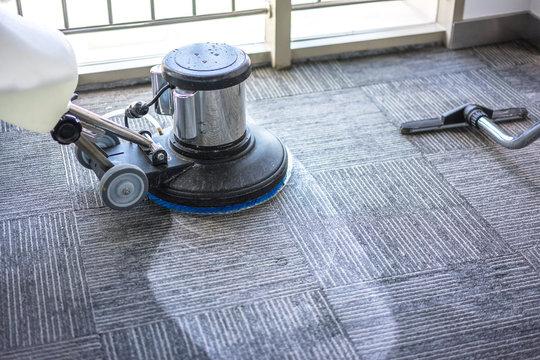
For example, treating a hand-knotted wool runner with a gentle pre-spray, followed by controlled rinsing and rapid airflow, preserves dyes while releasing compacted soil. In contrast, a tufted viscose accent rug might receive an encapsulation approach and light agitation with a soft brush to minimize pile distortion. A fiber-first mindset reduces color bleed, pile distortion, and texture changes, consistently improving appearance while extending a rug’s usable life.
2. Dry Soil Removal and Controlled Rinse Methods Deliver Visible Gains
Rugs act like filters, trapping particulate soils that dull colors and abrade fibers over time. Thorough dry soil removal—via vibration, harmonic dusting, compressed air, or high-filtration vacuuming with the beater bar turned off—can eject surprising amounts of grit before any liquid touches the textile.
Once particulates are lifted, choosing the right rinse method ensures residues and fine soils release without overwetting:
-
Hot Water Extraction: Works well with calibrated pressure on durable, colorfast wool when pre-tested.
-
Low-Moisture Encapsulation: Brightens synthetic blends and reduces re-soiling by leaving brittle polymers that easily vacuum away.
-
Immersion or Wash-Floor Techniques: Used on delicate pieces with controlled chemistry, ample water flow, and squeegees to move soils off the rug rather than driving them deeper.
For instance, a hallway runner with heavy traffic lanes can regain vibrancy after dusting, targeted pre-conditioning, and a gentle rinse. For an antique piece with unstable dyes, a barrier treatment and cool-water rinse—followed by towel extraction and flat drying—protect pattern clarity and minimize wicking.
3. Responsible Chemistry Balances Cleaning Power and Conservation
Modern cleaning formulations emphasize pH balance, surfactant efficiency, and residue control. Wool-safe detergents pair with mildly acidic rinses to lock in dyes and maintain a natural hand-feel. Enzyme boosters help break down protein-based soils, like food or pet accidents, provided they are carefully neutralized and thoroughly rinsed.
Oxygen-based spotters can lift tannin stains from tea or wine, but require strict testing on natural fibers to avoid oxidation or color shifts. Grease and soot respond best to solvent boosters applied in small, controlled doses, followed by robust rinsing.
Water stewardship is equally vital: targeted pre-sprays, proper dwell time, and controlled agitation reduce the total solution needed while improving soil suspension. Fast, even drying closes the loop—air movers, dehumidification, and pile grooming speed evaporation and deter microbial growth. A kitchen area rug with cooking oil buildup, for example, responds well to a citrus-based emulsifier, light agitation, and an acid rinse, yielding a clean fiber with minimal residue and a crisp finish.
4. Color Stability, Spot Mapping, and Post-Clean Grooming Protect Aesthetics
Color testing on inconspicuous areas using damp white towels confirms whether dyes are stable before scaling up treatment. When bleeding risk is present, dye stabilizers, cool water, and reduced mechanical action become non-negotiable.
Mapping spots at intake—such as coffee rings, rust marks near corners, or pet areas—helps set realistic expectations and determine the right sequence of treatments:
-
Protein Odors: Respond to thorough flushing and enzymatic deodorizers, followed by pH normalization.
-
Tannin Stains: Require repeated, gentle treatments to avoid haloing.
After rinsing, grooming with a soft brush or comb aligns the pile, prevents wand marks, and restores a uniform nap. Blocking can square edges and relax minor ripples, especially on hand-loomed pieces. Drying horizontally on breathable grids further supports airflow and prevents structural distortion.
For instance, a sun-faded wool dhurrie with a coffee spill benefits from spot isolation, careful rinsing from the edge inward to prevent migration, and final grooming to redistribute light across the flatweave—toning down visible rings without stressing the cotton warp.
5. Preventive Care Extends Lifespan and Preserves Value
Long-term results depend on ongoing maintenance after professional cleaning:
-
Proper Rug Pads: Tailored to floor type, pads prevent slipping, cushion footfall, and limit abrasive wear from micro-movement.
-
Seasonal Rotation: Balances UV exposure and traffic patterns, preventing single lanes from matting while surrounding areas remain plush.
-
Disciplined Vacuuming: Regular vacuuming with adjustable height settings (and the beater bar disengaged for delicate piles) picks up grit before it can cut fibers.
-
Prompt Spot Response: Blot liquids immediately with absorbent towels, avoid applying heat to unknown stains, and always pre-test home cleaners in an inconspicuous area.
-
Entryway Defenses: Walk-off mats and shoe-off habits drastically cut down on tracked-in soil and abrasive wear.
For example, rotating a living room wool rug before major gatherings spreads foot traffic and allows previously compressed areas to recover. Pairing that routine with a breathable felt-and-rubber pad supports the foundation and helps the pile rebound between cleanings, ensuring each professional wash delivers longer-lasting gains.
The Evolving Art and Science of Rug Cleaning: Techniques, Materials, and Consumer Expectations
1. Fiber Identification and Dye Stability Set the Foundation
Successful outcomes start with understanding what a rug is made of and how it is constructed. Wool, silk, cotton, viscose, and synthetic blends behave differently under moisture, alkalinity, heat, and agitation. A technician who distinguishes hand-knotted wool from tufted viscose immediately adjusts the cleaning approach: gentle chemistry and low mechanical action for delicate fibers, and more robust wash techniques for durable ones.
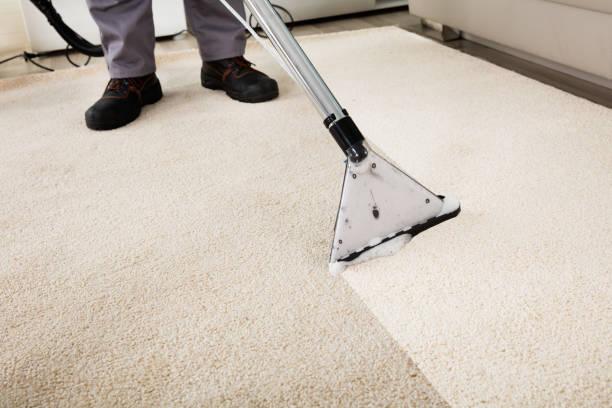
Dye stability tests—such as blotting a damp white towel on inconspicuous areas—help reveal whether colors could migrate during cleaning. When a red border shows the faintest color transfer, procedures like cooler water, mildly acidic rinses, and dye-locking agents become essential. A detailed pre-inspection also notes latex conditions in tufted rugs, foundation fiber type, prior dye bleed, and past repairs. This information informs a tailored plan that prevents avoidable damage and preserves the textile's character.
2. Advanced Dry-Soil Removal Protects Fibers and Improves Clarity
Before any wet process begins, thorough dusting removes abrasive grit that dulls colors and saws at fibers with every step. Industry practice now favors multi-stage dry-soil removal: flipping and vacuuming both sides with controlled airflow, followed by mechanical dusting using harmonic vibration or compressed-air tools in dust containment systems.
In the field, a technician might start by vacuuming with a beater-bar set low for a synthetic cut pile, yet switch to suction-only for a fragile antique. For a thick, hand-knotted tribal rug loaded with sand, vibration dusting loosens embedded particles that ordinary vacuuming misses. The payoff is dramatic—colors appear brighter even before washing because fine, light-refracting soils are gone. Removing this grit reduces the need for aggressive chemistry later, minimizes wear on the wash floor, and lessens the risk of muddy rinse water redistributing into the pile.
3. Matching Wash Methods to Construction Yields Safer, Cleaner Results
Choosing between immersion washing, wash-pit techniques, or low-moisture surface cleaning depends entirely on a rug's construction and condition:
-
Colorfast, Hand-Knotted Wool: Sturdy foundations often benefit from full immersion, allowing complete flushing of contaminants through the pile and foundation.
-
Tufted Rugs with Latex Backing: Compromised backings may require controlled moisture paired with rapid extraction to avoid delamination.
-
Silk Blends and Viscose: Call for minimal agitation, tight pH control, and fast drying to limit sheen loss and texture distortion.
Technicians use pH-balanced detergents designed specifically for natural fibers, followed by clear-water or mildly acidic rinses that leave rugs soft rather than crunchy. Rinsing continues until runoff is visibly clear, ensuring detergent residues don’t attract new soil.
Grooming resets the pile direction, while drying combines elevated airflow, dehumidification, and temperature control. Hanging frames or netted flat racks help maintain the rug's shape, while moisture meters verify dryness through the core foundation—not just at the fiber tips.
4. Targeted Solutions for Pet Issues, Odor, and Complex Stains
Pet accidents present two distinct challenges: visible staining and hidden odor trapped deep within the foundation. Surface cleaning alone seldom addresses the salts and bacteria embedded in the backing and weft layers. Immersion washing or saturation flushes, when appropriate for the rug’s stability, effectively lift contamination out of these deeper layers.
Enzymatic or oxidizing odor treatments are selected based on fiber type and dye fastness; for example, a fiber-safe oxidizer can reduce yellowing on wool without stripping color when carefully controlled. Spot work is sequenced carefully—first removing protein or tannin components before addressing synthetic dye components from foods, beverages, or tracked-in colorants.
Protecting metallic threads, natural dyes, and hand-painted details is paramount, and test areas guide each step of the process. After treatment, proper neutralization and rinsing prevent rapid re-soiling. Final odor checks are performed once the rug is completely dry, as warmth and humidity can temporarily mask smells.
5. Sustainability, Transparency, and Preventive Care Shape Expectations
Modern operations pursue practices that conserve resources while protecting fine textiles. Water recirculation systems with multi-stage filtration reduce total water consumption while keeping rinse quality high. Detergent choices prioritize biodegradable formulas with excellent rinsability, ensuring residues don't linger in the fibers. Clear documentation—including photos of pre-existing wear, mapped stain locations, and fiber IDs—helps clients understand expected outcomes and potential limitations.
Client education is equally important for long-term care:
-
Rug Pads: The right pad prevents rug creep and cushions impact, reducing soil grinding.
-
Rotation: Periodic rotation evens out sun exposure and traffic wear.
-
Vacuuming: Routine vacuuming with height-appropriate settings preserves pile integrity.
-
Spill Response: Quick blotting with a white towel and cool water—avoiding aggressive scrubbing—prevents permanent stain setting.
By combining sustainable methods, meticulous records, and preventive guidance, the industry delivers cleaner rugs, longer service life, and greater confidence with every visit.
