The Case for Proactive, Modern Pest Management
Pest pressures shift with seasons, construction trends, and regional weather patterns, but the fundamentals of protection remain consistent: prevention first, precise identification, and targeted action. Modern pest management balances effectiveness with safety, focusing on reducing conducive conditions long before infestations escalate. Whether for a home or a business, the goal is uninterrupted comfort and continuity, achieved through practical planning and informed follow-through.
Why Integrated Strategies Outperform Quick Fixes
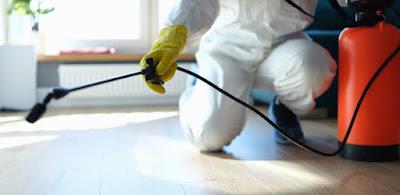
A one-and-done treatment rarely delivers durable results. Integrated pest management weaves together inspection, habitat modification, exclusion, monitoring, and when needed, focused applications. This approach closes entry points, addresses moisture and clutter, and uses data from monitoring tools to guide decisions. By tackling causes as well as symptoms, properties build lasting resistance to recurring issues.
Seasonal Risk Mapping and Prevention
Each season brings distinct challenges. Warmer months may elevate ant trails, wasp activity, and fly pressure. Cooler periods push rodents and overwintering insects indoors. Routine exterior walkthroughs, attention to foundation gaps, door sweeps, attic vents, and landscape maintenance help reduce these pressures. Thoughtful storage, sealed food containers, and consistent waste handling further cut attractants. Small, regular steps stave off larger, disruptive problems down the road.
Inspection Depth Matters
Thorough inspections analyze three key areas: structure, sanitation, and surroundings. Structural reviews look for cracks, torn screens, roofline gaps, and utility penetrations that invite pests. Sanitation assessments spotlight crumbs, spills, grease films, and standing water that feed and hydrate invaders. Surroundings include mulch depth, vegetation that touches siding, and clutter near doors. Documenting these details turns a quick glance into a strategic plan.
Product Stewardship and Application Precision
When treatments are appropriate, precision is the hallmark of professional stewardship. Targeted placements, labeled uses, and measured applications reduce exposure and improve outcomes. Baits, monitors, and specific formulations are selected for the pest, the location, and the conditions present. Communication about reentry times, ventilation, and follow-up intervals maintains clarity and confidence. This disciplined approach upholds both safety and effectiveness.
Building a Long-Term Plan
Sustainable control takes continuity. Regular check-ins track trend lines, confirm that exclusion holds, and adjust tactics as conditions change. Education for occupants or staff—simple directives like wiping down surfaces, managing cardboard, and inspecting deliveries—amplifies results. Over time, properties develop a fortified baseline, where minor incursions are detected early and resolved efficiently.
Numbered List: Practical Steps to Strengthen Your Pest Defense
-
Inspect entry zones: focus on door seals, window frames, vents, utility lines, and the roof-to-wall juncture.
-
Manage moisture: fix drips, improve drainage, and ventilate humid areas to deny pests the water they seek.
-
Tighten sanitation: store food in sealed containers, clean grease-prone spots, and rotate waste on a set schedule.
-
Reduce harborage: trim vegetation away from walls, elevate stored items, and limit cardboard accumulation.
-
Deploy monitors: use sticky boards or other devices in discreet spots to track activity and guide decisions.
-
Close access: apply weatherstripping, repair screens, and use rodent-proof materials at gnaw-prone edges.
-
Calibrate responses: choose treatments based on accurate identification and evidence, not guesswork.
Final Thoughts
Effective pest management is a partnership between property care and technical expertise. With emphasis on prevention, inspection depth, targeted application, and steady follow-up, homes and businesses maintain healthier, more resilient environments. The payoff is consistent—fewer disruptions, cleaner spaces, and peace of mind that stands up across seasons.
Smarter Pest Management: Practical Steps That Protect Homes and Health
Modern Strategies for Safer Pest Control
Pest pressures can surge with shifting weather, travel patterns, and building design trends. Homes and businesses benefit from a thoughtful approach that balances swift relief with long-term prevention. The most effective programs combine thorough inspections, targeted treatments, and ongoing monitoring so problems are handled early and with precision.
Understanding Seasonal Risk
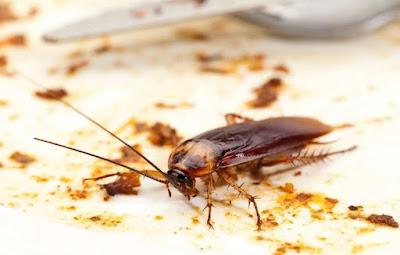
Seasonality shapes the types of pests most likely to appear. Warmer months often bring ants, mosquitoes, and stinging insects, while cooler seasons may push rodents indoors in search of shelter. Moisture swings after heavy rain can encourage cockroach activity and attract termites to vulnerable wood. Knowing when and why pests move helps tailor prevention—closing up gaps before a cold snap, managing yard moisture during rainy stretches, and storing food tightly during peak ant activity.
Integrated Pest Management Fundamentals
Integrated Pest Management, or IPM, prioritizes minimizing risk while maximizing effectiveness. It starts with identifying the specific pest and its source, then removing conditions that support it. Physical exclusion, improved sanitation, and habitat modifications are emphasized before any targeted treatment is considered. When treatments are needed, precise application to problem areas reduces unnecessary exposure and helps preserve beneficial organisms that naturally keep pests in check.
Inspection to Prevention: A Simple Roadmap
A strong plan looks beyond the pest you see today and addresses what might appear tomorrow. Inspections uncover entry points, moisture sources, harborage sites, and food access. Correcting these elements often reduces pest pressure dramatically. Consistent follow-ups confirm that prevention steps are holding and allow adjustments as seasons change. The result is steadier control with fewer surprises and disruptions.
Homeowner Action Plan: Five Essentials
-
Seal and secure: Close gaps around doors, windows, utility penetrations, and foundation cracks. Install door sweeps and repair torn screens to block easy entry.
-
Manage moisture: Fix leaks, clear gutters, and use dehumidifiers where humidity builds. Keep mulch and soil from touching siding to discourage wood-damaging pests.
-
Sanitation smart: Store pantry items in sealed containers, clean crumbs promptly, and rotate trash frequently with tight-fitting lids.
-
Yard upkeep: Trim vegetation back from structures, reduce standing water, and remove clutter that provides shelter for rodents and insects.
-
Monitor and maintain: Use sticky monitors in nonliving areas, note new activity, and maintain a regular inspection schedule to catch issues early.
-
Store properly: Keep firewood off the ground and away from exterior walls, and avoid cardboard storage in damp spaces where pests thrive.
When It’s Time to Call a Professional
Some infestations require specialized knowledge, identification tools, and treatment methods best handled by trained technicians. Signs include recurring activity despite diligent prevention, structural concerns such as hollow-sounding wood, rodent noises inside walls, and stinging insect nests in hard-to-reach or hazardous locations. Professionals can perform detailed inspections, deploy targeted treatments, and set up ongoing monitoring that aligns with your property’s risks and layout.
Safety, Responsibility, and Long-Term Results
Responsible pest control emphasizes correct identification, precision, and documentation. Applying the right approach at the right time reduces unnecessary products and helps slow the development of resistance. Detailed service reports, photographs, and trend tracking support better decisions season after season. Whether you manage a single-family home or a multi-tenant property, the goal is the same: a healthier indoor environment with fewer interruptions and predictable outcomes.
The Bottom Line
Effective pest management is not a one-time event but a continuous process. By focusing on prevention, incorporating careful inspection, and acting quickly when activity appears, properties remain more resilient year-round. With a balanced plan grounded in identification, exclusion, sanitation, and selective treatments, you safeguard comfort and health while keeping pest pressures firmly in check.
