Preventive repair strategies that keep cooling systems dependable
Air conditioning repair is about more than fixing a breakdown; it’s about preventing the next one. When a system is maintained with intention and serviced by experienced technicians, it can deliver steady comfort, fewer surprises, and greater efficiency throughout the warmest months. The following guide explores practical ways homeowners and property managers can reduce wear and tear, identify early warning signs, and make informed choices that support long-term reliability.
1. Start with a thorough diagnostic approach
A precise diagnosis is the foundation of effective repair. Comprehensive testing—covering airflow, refrigerant balance, electrical continuity, and control calibration—helps reveal the root cause rather than just the symptom. Resolving underlying issues, such as a weak capacitor combined with restricted airflow, prevents repeat visits and protects major components from cascading damage.
2. Protect airflow from the start
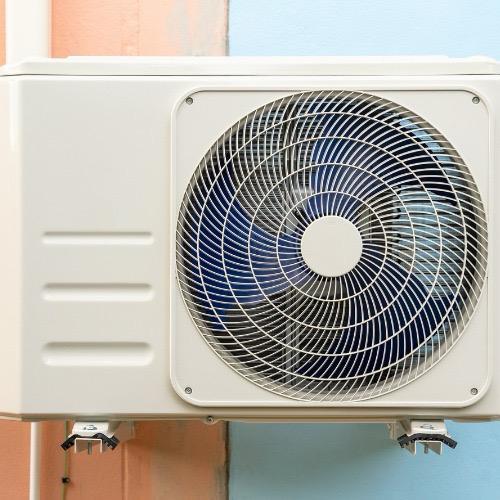
Restricted airflow accelerates failures. A clogged filter increases static pressure, strains the blower motor, and can cause evaporator coil icing. Choose quality filters suited to the system’s specifications and replace them at recommended intervals. Keep supply and return vents open and clear. Outside, remove debris from the condenser area and maintain proper clearance so heat can dissipate efficiently.
3. Prioritize coil cleanliness
Dirty evaporator and condenser coils force the system to work harder, raising energy use and shortening component life. Gentle, routine coil cleaning restores heat transfer and helps stabilize operating pressures. When coils are clean, compressors run cooler and cycle less often, which reduces stress and the likelihood of premature failure.
4. Monitor electrical health
Loose connections, aging contactors, and pitted relays often sit at the root of intermittent issues. Regularly inspect wiring, tighten terminations, and verify amperage draw against nameplate ratings. Addressing minor electrical wear early can prevent nuisance trips, hard-start conditions, and control board damage that can turn a simple repair into an extensive one.
5. Calibrate refrigerant charge accurately
Both undercharge and overcharge cause inefficiency and potential harm to the compressor. Technicians should confirm the correct charge using manufacturer-approved methods and verify superheat or subcooling as appropriate. Stable refrigeration pressures promote consistent cooling and help maintain indoor humidity control, extending comfort and system life.
6. Maintain proper condensate management
A blocked condensate drain can trigger shutdowns, water damage, and poor indoor air quality. Regularly clear and treat the drain line, verify float switch operation, and inspect pans for cracks or corrosion. Reliable drainage keeps moisture where it belongs and safeguards ceilings, flooring, and equipment.
7. Make sizing and ductwork part of repair decisions
Some persistent repair problems trace back to improper sizing or poorly designed ducts. Short cycling, temperature swings, and high utility bills can indicate deeper design issues. When repair conversations include load considerations and duct static pressure, long-term performance improves and future service calls often decrease.
8. Plan upgrades with an eye on local conditions
When evaluating replacement options or system enhancements, local climate, building construction, and ventilation patterns matter. Thoughtful planning for AIR CONDITIONING INSTALLATION THOUSAND OAKS includes attention to attic insulation, sun exposure, and outdoor unit placement for optimal airflow. Upgrades such as smart thermostats, variable-speed blowers, and high-efficiency condensers can complement well-executed repairs and reduce ongoing strain on equipment.
9. Build a seasonal maintenance rhythm
Cooling systems benefit from proactive care before peak demand arrives. A routine that includes filter changes, coil cleaning, electrical checks, and drain line service positions the system for a smoother season. Documenting findings each visit creates a service history that helps anticipate parts nearing end of life and supports timely, targeted repairs.
10. Listen to early warning signs
Short cycles, unusual noises, musty odors, and uneven temperatures are signals worth investigating. Quick attention to small changes often prevents large failures. Encouraging occupants to report anomalies early gives technicians the chance to intervene before components overheat, bearings seize, or controls fail.
Consistent, detail-focused repair practices keep cooling equipment steady, efficient, and ready for the next heat wave. With informed diagnostics, careful maintenance, and smart planning, a cooling system can deliver dependable comfort while minimizing disruptions.
Practical Guide to ac repair thousand oaks for Peak Summer Performance
Keeping cool through long, dry summers requires more than hoping your air conditioner makes it through the hottest days. A thoughtful approach to maintenance, diagnostics, and timely fixes can extend equipment life and support dependable comfort. For homeowners and property managers alike, understanding the essentials of ac repair thousand oaks can reduce downtime, prevent bigger problems, and improve energy use. The following checklist outlines a practical path from first signs of trouble to long-term system health.
1) Recognize early warning signs
Small issues rarely stay small. Uneven cooling, unusual noises, short cycling, and musty or burning odors often point to developing problems. Weak airflow may suggest a clogged filter, failing blower motor, or duct obstruction. Water near the indoor unit can indicate a condensate drain issue. Paying attention to these clues helps schedule service before a minor annoyance becomes a major breakdown.
2) Start with airflow and filtration
Restricted airflow drives up energy use and stresses components. Check and replace filters regularly based on household conditions such as pets, dust, and seasonal pollen. Verify that supply and return vents are open and unobstructed by furniture or drapes. Clean vents and registers to reduce dust recirculation. Good airflow supports efficient heat transfer, steadier temperatures, and quieter operation.
3) Calibrate the thermostat and settings
Misread temperatures lead to needless runtime and discomfort. Ensure the thermostat is level, away from direct sunlight, and not influenced by nearby heat sources or drafts. Verify programmed schedules match occupancy patterns. Consider gradual setpoint adjustments to prevent short cycling. If the display is erratic or unresponsive, battery replacement or professional recalibration may be necessary.
4) Inspect the outdoor unit
The condenser needs room to breathe. Clear shrubs, leaves, and debris within a few feet of the cabinet to maintain proper airflow. Gently rinse the coil fins from the inside out with low-pressure water to remove dirt and pollen. Bent fins can be carefully straightened using a fin comb. Any rattling panels or loose fasteners should be secured to minimize vibration and noise.
5) Address refrigerant and cooling performance
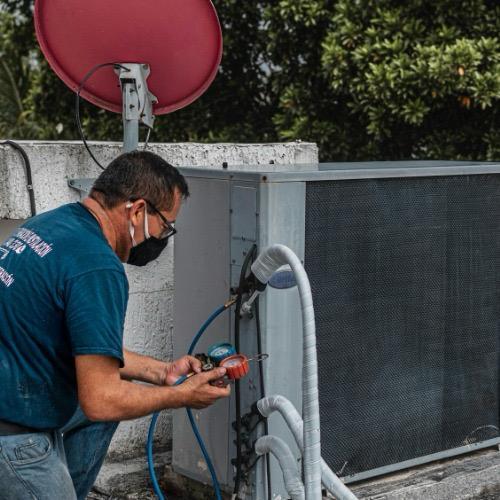
Insufficient cooling can stem from a refrigerant issue, coil contamination, or airflow restrictions. Icing on the refrigerant lines suggests reduced airflow or a charge problem. Because refrigerant handling requires certification and specialized tools, leave charging and leak repairs to trained technicians. A professional diagnostic can confirm whether the system is operating within manufacturer specifications.
6) Evaluate ductwork integrity
Leaky or undersized ducts waste capacity and create hot and cold spots. Look for disconnected runs, gaps at joints, or deteriorated mastic. In accessible areas, properly sealed connections improve delivery to every room. Insulated ducts in attics or crawl spaces help preserve conditioned air temperature on its way to supply registers.
7) Maintain the condensate system
Cooling pulls moisture from indoor air, which must drain freely. A clogged condensate line can trigger water damage or safety shutoffs. Regularly clear the drain line with a wet/dry vacuum at the outdoor termination, and consider a protective cleanout tee. Ensure the drain pan is intact and that float switches function to prevent overflow.
8) Listen for electrical and mechanical stress
Buzzing contactors, clicking relays, or grinding bearings hint at electrical or mechanical wear. High starting currents strain capacitors and motors, particularly during heat waves. A scheduled inspection of capacitors, contactors, and motor amperage draws can identify parts nearing the end of their service life and avoid emergent failures.
9) Optimize for efficiency and comfort
Shading windows, improving insulation, and sealing envelope leaks reduce cooling load and runtime. Ceiling fans can help circulate conditioned air, allowing slightly higher setpoints without sacrificing comfort. Regular tune-ups that include coil cleaning, blower inspection, and performance verification help maintain efficiency across the season.
10) Plan proactive service for ac repair thousand oaks
Seasonal tune-ups and swift attention to unusual symptoms form the foundation of reliable cooling. Document serial numbers, filter sizes, last service dates, and observed issues to streamline future appointments. When temperatures climb, scheduling early can minimize wait times and keep indoor spaces comfortable.
A structured approach saves time, energy, and stress. By handling simple upkeep and promptly calling in qualified professionals for complex diagnostics, homeowners can keep systems performing steadily and safely through the hottest months. Thoughtful maintenance today reduces surprises tomorrow and supports the lasting comfort every household deserves.
Seasonal HVAC Strategies for Thousand Oaks Homes: Cut Costs and Prevent Breakdowns
Staying comfortable through coastal fog, dry Santa Ana winds, and warm summer afternoons takes more than good intentions. Thoughtful planning keeps heating and cooling equipment reliable, efficient, and safe. Residents who time preventive steps with local weather patterns can avoid surprise outages, minimize energy waste, and extend system life while staying ready for peak demand.
The Case for Proactive HVAC Care in Thousand Oaks
HVAC systems work hardest when outdoor temperatures swing. That’s why a proactive approach—tied to spring and fall—makes the most sense for this region. Routine HVAC Maintenance, timely HVAC Repair, and well-judged HVAC Replacement decisions all work together to safeguard comfort. The right plan also protects indoor air quality and helps equipment deliver steady performance without straining components.
Seasonal Timing That Pays Off
Late spring is ideal for AC Maintenance so the condenser, blower, and thermostat respond crisply during heat waves. Early fall suits Heating Maintenance, giving furnaces time to run cleanly and safely before cooler nights settle in. When symptoms suggest deeper issues, scheduling thousand oaks hvac repair before temperatures spike or dip can prevent longer downtimes and reduce stress on aging parts.
Clear Signs You Need Professional Attention
Some symptoms call for fast action. Short cycling, weak airflow, hot-and-cold spots, rising utility bills without a usage change, or unusual odors are warning lights. For heating concerns like intermittent ignition, persistent clicking, or lukewarm supply air, prompt furnace repair thousand oaks can keep minor issues from turning into costly heat exchanger or control failures. On the cooling side, warm vents, ice on refrigerant lines, or breaker trips are reasons to arrange air conditioning repair thousand oaks so coils, capacitors, and refrigerant charge get proper attention.
Core Maintenance Checklist for Reliability
A well-structured plan covers both performance and longevity. Consider this essential list:
1) Replace or clean filters regularly to preserve airflow and protect motors and heat exchangers.
2) Clean outdoor condenser coils and clear vegetation for efficient heat rejection during AC Repair or maintenance.
3) Inspect blower assemblies, belts, and bearings; correct airflow helps both heating and cooling seasons.
4) Test safety controls, ignition components, and venting during Heating Maintenance to ensure dependable operation.
5) Calibrate thermostats and verify zoning dampers so rooms hold steady temperatures.
6) Schedule Air Duct Cleaning when buildup, odors, or visible dust indicate debris that can choke airflow and spread allergens.
Repair, Replacement, or Upgrade—Making the Call
Every system reaches a point where repair frequency, noise, or uneven comfort suggests rethinking the setup. Strategic AC Replacement or Heating Replacement can resolve recurring issues and align capacity with the home’s layout. Consider the equipment’s condition, the home’s insulation and duct design, and comfort goals. If a repair restores safe, efficient operation, that’s often the best near‑term choice. If performance remains marginal after proper HVAC Repair, a targeted upgrade may deliver quieter operation, better humidity control, and more consistent temperatures.
Healthy Air, Efficient Systems
Clean ducts, sealed connections, and balanced airflow transform comfort. Air Duct Cleaning, when warranted, removes debris that can strain blowers and spread dust. During AC Maintenance and Heating Repair, technicians can spot kinked flex runs, loose boots, or leaking plenums that waste conditioned air. Correcting these issues helps temperature control, lowers noise, and can ease the load on compressors and furnaces.
Thousand Oaks homeowners can keep systems dependable with an orderly plan: tune up before the tough seasons, act on warning signs early, and choose repairs or replacements based on actual equipment condition. With steady attention to HVAC Maintenance, thoughtful upgrades when needed, and timely support like thousand oaks hvac repair, furnace repair thousand oaks, and air conditioning repair thousand oaks, comfort stays consistent while unexpected breakdowns become far less likely.
Smart Climate Control Trends for Homes and Businesses in Thousand Oaks
What’s Shaping Modern HVAC in Coastal-Valley Communities
Microclimates Drive Smarter System Choices
From coastal breezes to warm inland afternoons, microclimates shape how buildings in the Conejo Valley manage comfort and efficiency. Homes and storefronts increasingly favor right-sized equipment that adapts to daily swings, balancing quiet performance with robust cooling on hotter days. In practice, that means pairing high-efficiency condensers with zoning and updated thermostats rather than oversizing. Local familiarity matters; homeowners often look to hvac contractors thousand oaks naturally for guidance on system capacity, duct layout, and airflow targets that match actual living patterns.
Maintenance as Preventive Risk Management
The industry is moving from reactive fixes to predictable upkeep that extends equipment life and stabilizes energy use. HVAC Maintenance and AC Maintenance plans commonly include seasonal inspections, coil cleanings, filter changes, and airflow checks that can prevent mid-summer breakdowns. Heating Maintenance before the first cool snap can surface ignition or venting issues early. This approach also supports healthier indoor air and reduces noise, which occupants notice immediately.
A Practical Checklist for Property Owners
Consider the following steps to keep heating and cooling reliable all year:
1. Schedule biannual HVAC Maintenance, timing visits before peak cooling and heating seasons.
2. Replace filters on a regular cadence based on usage and local dust or pollen levels.
3. Calibrate thermostats and verify sensor placement to avoid false readings and short cycling.
4. Inspect ducts for leaks and consider Air Duct Cleaning to improve airflow and reduce debris.
5. Clear debris around outdoor units and maintain proper clearance for airflow.
6. Document repairs and parts replacements to inform future HVAC Repair or system planning.
7. Evaluate indoor humidity and address imbalances that can strain equipment and comfort.
Knowing When Repair Becomes Replacement
Even with consistent care, equipment ages. When compressor or heat exchanger issues recur, HVAC Repair may no longer be the most cost-effective path. Signs that point toward HVAC Replacement or AC Replacement include rising runtime, frequent service calls, and difficulty maintaining set temperatures during temperature extremes. For heating systems, persistent ignition problems, uneven room temperatures, or safety-related shutdowns are cues to consider Heating Repair or Heating Replacement. A thoughtful assessment should weigh existing duct condition, insulation levels, and ventilation alongside equipment options to avoid bottlenecks after the upgrade.
Indoor Air Quality Gains Real Priority
Beyond temperature, indoor air quality is getting long-overdue attention. Dust buildup, pet dander, and seasonal allergens can accumulate in ductwork and around evaporator coils, undermining performance and comfort. Air Duct Cleaning, combined with proper filtration and verified airflow, supports cleaner living spaces and helps HVAC systems run closer to design specs. Buildings near high-traffic roadways or wildfire-prone areas may also benefit from enhanced filtration media that match the blower’s capacity, avoiding pressure drops that compromise system health.
Partnering With Local Expertise for Long-Term Results
Choosing a contractor isn’t just about the install day—it’s about support for the next decade. Look for transparent diagnostics, clear explanations of HVAC Repair versus replacement options, and maintenance plans tailored to your property’s schedule. Technicians who know regional building codes, common rooflines, and attic layouts can spot duct challenges and ventilation gaps quickly. They can also align Heating Maintenance with AC Maintenance to minimize downtime and coordinate warranty procedures when needed.
In the end, a balanced HVAC strategy blends solid design, steady maintenance, and timely upgrades. Homes and businesses that plan ahead—verifying airflow, sealing ducts, and tracking system performance—tend to enjoy quieter operation, steadier comfort, and fewer surprises when the weather shifts. Whether the need is a quick AC Repair before a warm spell or a comprehensive HVAC Replacement that future-proofs comfort, informed decisions and consistent care will keep indoor environments reliable season after season.
Optimizing Comfort and Efficiency in Today’s HVAC Landscape
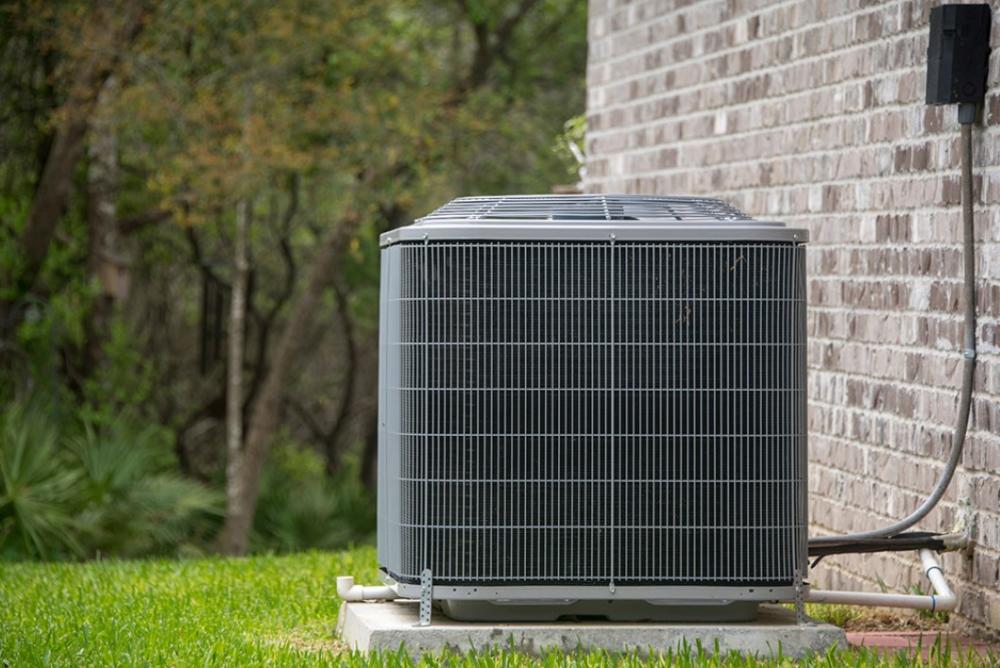
The HVAC industry is evolving quickly as homes and businesses demand better comfort, healthier indoor air, and lower energy use. From smart controls to targeted maintenance, success today is about thoughtful planning and timely action. Whether you manage a storefront or own a single-family home, understanding current best practices helps you make confident decisions across Heating Repair, Heating Maintenance, HVAC Repair, HVAC Maintenance, AC Repair, AC Maintenance, AC Replacement, HVAC Replacement, Heating Replacement, and Air Duct Cleaning.
The Push Toward Preventive Care
Preventive maintenance has become the backbone of reliable performance. Seasonal tune-ups identify small inefficiencies before they turn into costly breakdowns, keep equipment within manufacturer specifications, and safeguard warranties. Clean filters, calibrated thermostats, and properly charged refrigerant keep systems running smoother and quieter. This steady approach extends equipment life and cuts surprise downtime during peak heat or cold snaps when comfort matters most.
Smarter Controls and Zoning
Smart thermostats and zoning strategies are redefining comfort. Connected controls learn occupancy patterns and adjust temperatures room by room, so you’re not conditioning unused spaces. Zoning also supports mixed-use properties and multi-level homes, where heat gain and loss vary widely. The result is more even temperatures, fewer hot and cold spots, and greater control over monthly utility costs without sacrificing comfort.
Cleaner Air Through Better Duct Practices
Indoor air quality is a top priority for households and workplaces alike. Tight envelopes and improved insulation help efficiency but can trap pollutants. Regular Air Duct Cleaning, sealing, and proper filtration reduce dust, allergens, and irritants. Balanced airflow matters as much as cleanliness; leaky or undersized ducts force systems to work harder, creating noise and uneven temperatures. Pairing filtration upgrades with duct inspections keeps both occupants and equipment healthier.
Repair vs. Replacement Decisions
Deciding between HVAC Repair and HVAC Replacement comes down to age, condition, and performance goals. If a system still has useful life and the issue is isolated, timely repairs and AC Maintenance or Heating Maintenance can restore dependable service. When repeated failures, rising utility bills, or outdated refrigerants are part of the picture, AC Replacement or Heating Replacement may deliver better long-term value. Modern systems offer improved efficiency, quieter operation, and compatibility with smart controls—advantages that accumulate year after year.
Practical Maintenance To-Dos
A simple, consistent routine goes a long way:
- Change or clean filters per manufacturer guidance
- Keep outdoor units clear of leaves, dirt, and debris
- Schedule seasonal tune-ups before extreme weather
- Inspect ductwork for leaks, kinks, and poor insulation
- Verify thermostat settings and connectivity
Partnering Locally for Fast Response
Local expertise is invaluable when timing is critical. Quick access to parts, familiarity with regional building codes, and understanding of area climate trends streamline service. For example, thousand oaks hvac repair demands fast diagnostics during heat waves and cool evenings, while furnace repair thousand oaks becomes urgent when overnight temperatures dip. Likewise, air conditioning repair thousand oaks often centers on airflow, refrigerant charge, and controls during peak summer loads. A responsive, neighborhood-focused team helps maintain comfort without lengthy delays.
The Bottom Line
Today’s HVAC environment rewards proactive care, smart technology, and informed choices. By combining routine service with strategic upgrades and clean ductwork, homes and businesses can enjoy consistent comfort, healthier air, and predictable operating costs all year long.
